
In the bustling world of home cooking, it’s easy to get lost in the aroma of sautéed garlic or the allure of a perfectly baked pie. But let’s face it—nothing ruins a dinner party faster than a side of foodborne illness. That’s where a food safety checklist swoops in like a superhero in an apron, ready to save the day and your dinner plans.
Table of Contents
ToggleImportance Of Food Safety
Food safety plays a crucial role in preventing illnesses related to contaminated food. One in six Americans experiences foodborne illness annually, according to the Centers for Disease Control and Prevention (CDC). Many factors contribute to these risks, including improper food handling and inadequate cooking temperatures.
To minimize these dangers, maintaining cleanliness in the kitchen is essential. Regularly washing hands before and after handling food protects against cross-contamination. Additionally, sanitizing surfaces with hot, soapy water reduces harmful bacteria on countertops and cutting boards.
Proper storage also affects food safety. Refrigeration at 40°F or below slows bacterial growth in perishable foods. Utilizing clear containers with labels allows for better organization and monitoring of food freshness.
Cooking at safe temperatures kills pathogens. Ground meats, for instance, should reach an internal temperature of 160°F, while poultry needs to hit at least 165°F. Using a food thermometer ensures accuracy and safety.
Handling leftovers properly safeguards against spoilage and contamination. Refrigerated leftovers should be used within three to four days, and reheating to 165°F ensures they are safe to eat.
Being proactive about food safety not only enhances meals but also protects health. Consistent application of safety practices raises awareness among household members. Ultimately, prioritizing food safety fosters a safe and enjoyable cooking environment.
Key Components Of A Food Safety Checklist
Implementing effective food safety practices is crucial in any home kitchen. A checklist can help ensure adherence to key safety components.
Personal Hygiene Practices
Personal hygiene plays a vital role in preventing foodborne illnesses. Individuals involved in food preparation must wash hands thoroughly before and after handling food. Wearing clean clothing and avoiding jewelry can reduce contamination risks. Regularly covering hair with a hat or hairnet minimizes the chance of hair falling into food. If someone is ill, staying away from food preparation tasks protects others from potential pathogens.
Kitchen Cleanliness Standards
Establishing cleanliness standards in the kitchen helps maintain a safe environment. Surfaces should be wiped down and sanitized before and after food preparation. Cleaning utensils and cutting boards between different food items limits cross-contamination. Floors must remain free of spills to prevent accidents and maintain hygiene. Regularly emptying trash and ensuring that garbage is covered deters pests and improves overall kitchen safety.
Proper Food Storage Guidelines
Proper food storage guidelines are essential in preventing spoilage and contamination. Refrigerators should maintain temperatures below 40°F to keep perishable items safe. Storing raw meat separately from other foods helps prevent cross-contact. Using airtight containers for leftovers prevents the growth of bacteria and keeps food fresh. Labeling items with dates ensures that older products are used first, reducing waste and promoting food safety.
Hazard Identification And Management
Identifying and managing hazards in home kitchens plays a critical role in maintaining food safety. Awareness of common foodborne pathogens helps individuals understand risks.
Common Foodborne Pathogens
Salmonella, E. coli, and Listeria are three prevalent foodborne pathogens. They often stem from improper food handling or inadequate cooking. Salmonella typically comes from raw poultry and eggs. E. coli is commonly linked to undercooked beef and contaminated produce. Listeria is often found in ready-to-eat deli meats and unpasteurized dairy products. Adhering to safe food handling practices significantly reduces the risk of these pathogens.
Cross-Contamination Prevention
Cross-contamination can lead to foodborne illnesses and must be actively prevented. Using separate cutting boards for raw meat and vegetables helps minimize risks. Regularly sanitizing surfaces after food preparation further ensures safety. Handwashing before and after handling food, especially raw items, prevents bacteria transfer. Storing raw meat on the bottom shelf of the refrigerator avoids drips onto other foods. Wearing gloves during food prep can provide an additional layer of protection. Prioritizing these practices fosters a safer cooking environment.
Regular Maintenance And Inspections
Regular maintenance and inspections play a crucial role in ensuring food safety in home kitchens. Keeping equipment and food fresh reduces the risk of foodborne illnesses.
Kitchen Equipment Safety
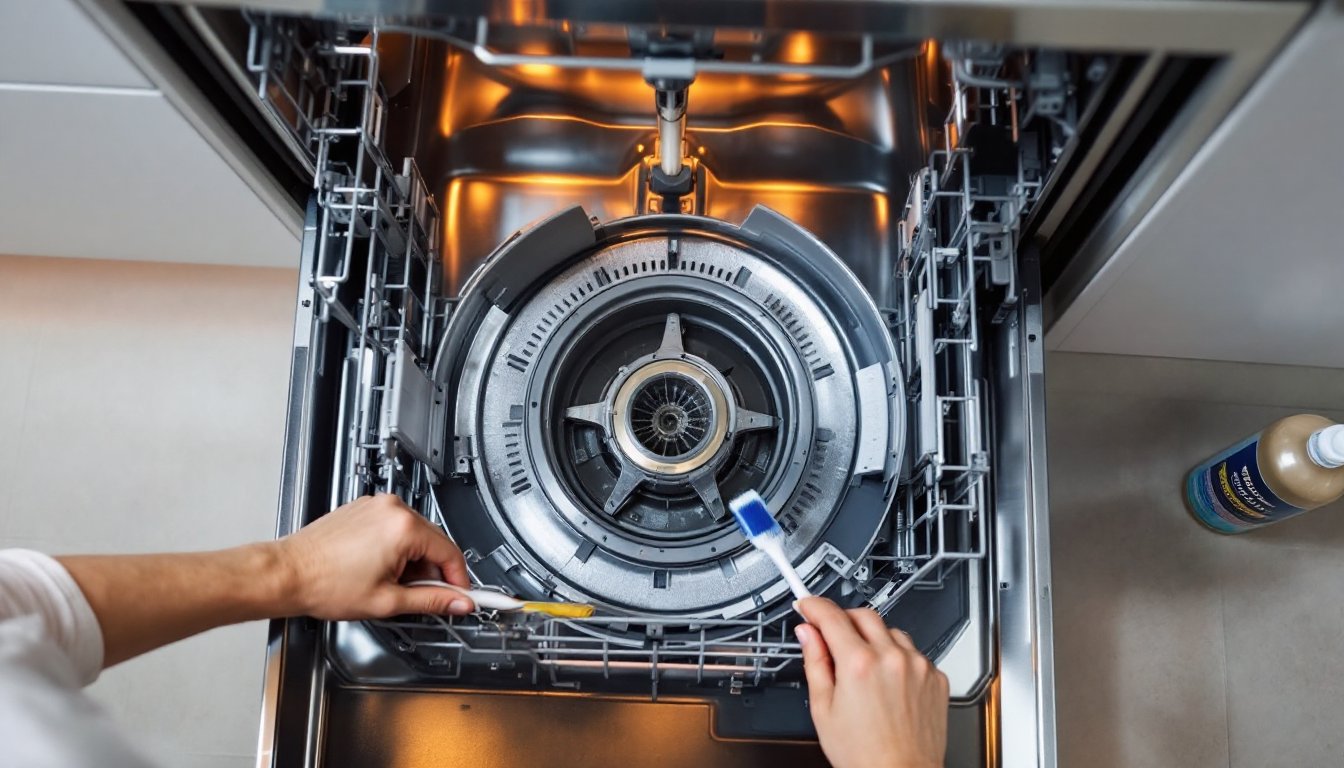
Maintaining kitchen equipment ensures it functions properly and safely. Clean appliances regularly to prevent buildup of bacteria. Inspect cutting boards for cracks, as these can harbor pathogens. Replace damaged utensils to avoid cross-contamination. It’s vital to check that refrigerator temperatures stay below 40°F for optimal food preservation. Calibrate thermometers periodically to guarantee accurate readings, ensuring that food cooks at safe temperatures.
Expiration Date Monitoring
Monitoring expiration dates helps maintain food quality and safety. Inspect items in the pantry, refrigerator, and freezer regularly. Discard foods past their expiration or “best by” dates to prevent spoilage. Familiarize yourself with shelf life for common items; for instance, eggs are safe for about three to five weeks past purchase. Label leftovers with dates to ensure timely consumption. Staying diligent about these dates significantly decreases the risk of foodborne illness.
Adhering to a food safety checklist is vital for anyone who enjoys cooking at home. By implementing these practices, individuals can significantly reduce the risk of foodborne illnesses and create a safer kitchen environment.
Prioritizing personal hygiene and maintaining cleanliness not only protects health but also enhances the overall cooking experience. Regularly monitoring food storage and equipment conditions ensures that meals are prepared safely and efficiently.
Incorporating these essential food safety measures into daily routines fosters confidence in home cooking and allows for enjoyable dining experiences without the worry of contamination. By staying informed and proactive, anyone can make their kitchen a safer place for themselves and their loved ones.