
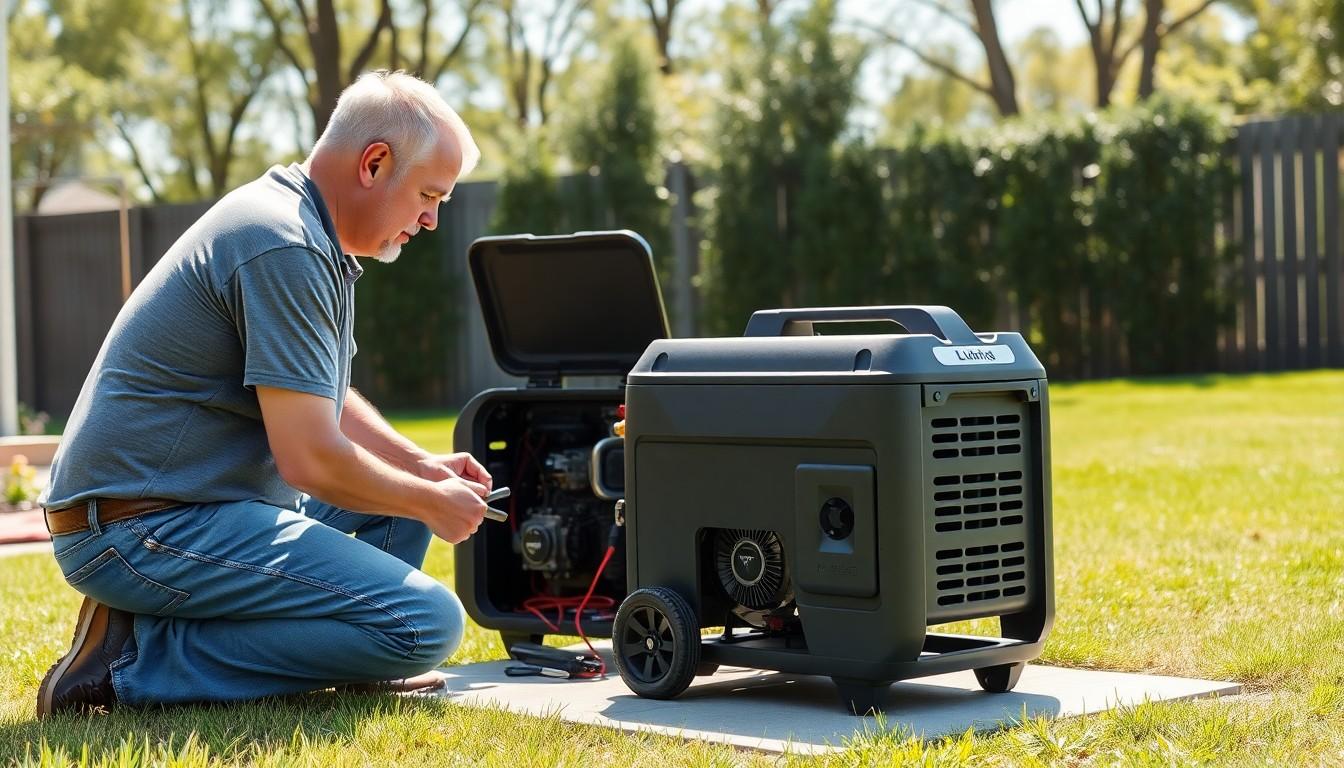
When the lights flicker and the storm clouds gather, a trusty home generator steps up like a superhero in disguise. But just like every hero, it needs a little TLC to keep saving the day. Ignoring generator maintenance is like expecting a car to run smoothly without oil changes—eventually, it’ll leave you stranded in the dark.
Importance of Home Generator Maintenance
Maintaining a home generator ensures reliable energy during outages. Regular checks prevent breakdowns and extend the lifespan of the unit. Neglecting maintenance leads to unexpected failures, which can cause significant inconvenience.
Scheduled servicing plays a key role in the generator’s performance. Replacing air filters and spark plugs contributes to optimal operation. Checking fuel levels and battery health prevents issues during critical moments.
Lubrication is essential for engine components. Ensuring that oil levels remain adequate reduces wear and tear on moving parts. A clean generator runs smoother and minimizes the risk of breakdowns.
Moreover, inspecting exhaust systems for blockages reduces fire hazards. Routine maintenance also identifies minor issues before they escalate into major repairs.
Record-keeping of maintenance activities aids in tracking the generator’s health. Documentation provides insight into any recurring problems. Following manufacturer recommendations keeps warranties intact and guarantees optimal performance.
In short, home generator maintenance offers peace of mind during power interruptions. Staying proactive with maintenance means readiness when needed most. Neglect can result in costly repairs and unforeseen power outages, making regular maintenance a strategic priority.
Types of Home Generators

Understanding the various types of home generators helps in selecting the right one for specific needs. Each generator type offers unique features and benefits.
Portable Generators
Portable generators provide flexibility for users needing power on the go. These units typically run on gasoline or propane and offer a range of wattages. Many homeowners use them during outdoor activities or in emergency situations. They connect easily to appliances using extension cords. Notably, operators should keep in mind that portable generators require regular refueling to maintain power output. Maintenance tasks include checking oil levels, inspecting the spark plug for wear, and cleaning air filters. Regular upkeep ensures reliable performance anytime it’s needed.
Standby Generators
Standby generators operate automatically during power failures, ensuring seamless energy supply. These systems connect directly to home electrical panels and rely on natural gas or propane as fuel sources. Users enjoy peace of mind knowing their homes are protected from outages without manual intervention. Maintenance involves periodic checks on battery health, fuel supply, and circuit connections. Keeping the generator clean and lubricated helps extend its lifespan. Standby units often have a longer life expectancy due to stationary placement and reduced mobility strain. Regular testing scripts and service schedules from manufacturers are crucial for optimal function.
Routine Maintenance Tasks
Routine maintenance tasks ensure home generators operate efficiently. Adhering to a schedule not only promotes reliability but also extends the lifespan of the unit.
Oil Changes
Oil changes play a critical role in maintaining a generator’s performance. Every 50 hours of use, it’s essential to change the oil, as old oil leads to engine wear. The right oil type varies by manufacturer, so checking the generator’s manual is necessary for compatibility. Proper disposal of used oil is also important to follow local regulations. Regular oil checks can also prevent costly repairs down the line.
Filter Replacements
Filter replacements can significantly improve the air quality and efficiency of a generator. Generally, changing the air filter every 100 hours of operation helps maintain optimal airflow and engine efficiency. A clogged filter can hinder performance and lead to overheating. In addition to air filters, fuel filters must be replaced according to manufacturer guidelines. Keeping filters clean helps ensure the generator runs smoothly and reliably.
Battery Maintenance
Battery maintenance is vital for ensuring the generator is ready when needed. Regularly checking the battery’s charge level helps avoid unexpected power failures. Most manufacturers recommend testing the battery every few months, especially before anticipated outages. Cleaning battery terminals prevents corrosion, which can impact performance. Additionally, replacing the battery approximately every three to five years safeguards dependable operation during emergencies.
Seasonal Maintenance Considerations
Seasonal maintenance keeps home generators in excellent working condition. Preparing for weather changes ensures reliable performance year-round.
Pre-Winter Preparations
Checking the battery’s charge level becomes essential. Cold temperatures can reduce battery life and efficiency. Clearing debris from around the generator is vital for optimal airflow. Ensuring fuel tanks are full prevents fuel line freezing. Testing the generator under load guarantees it operates smoothly during winter storms. Replacing oil and filters also prepares the unit for colder weather, preventing thickening that might hinder performance. Following these tasks minimizes the risk of unexpected outages when power usage increases in winter months.
Pre-Summer Preparations
Inspecting the coolant and overall system performance is critical. High temperatures can stress generators, leading to overheating issues. Cleaning the air filter prevents airflow restrictions, contributing to engine efficiency. Checking for leaks helps maintain fuel integrity and avoids safety hazards. Ensuring that the generator operates smoothly during routine testing is important, confirming readiness for summer storms or power outages. Maintaining a clean and clear surrounding area also helps with airflow and reduces fire risks. Regular maintenance in advance assures reliable energy supply during peak usage months in summer.
Troubleshooting Common Issues
Troubleshooting common issues with home generators ensures they function when needed. First, if a generator won’t start, it’s important to check the fuel supply. Low fuel levels may prevent ignition. Inspecting the battery also matters; a weak or dead battery can halt operations.
Next, check for any unusual noises. Strange sounds might indicate mechanical problems, warranting further investigation. If the generator runs but produces little or no power, examining the circuit breaker and fuses is crucial. Resetting a tripped breaker can often resolve this problem.
Overheating represents another common issue. Generators can overheat due to low oil levels or a clogged air filter. Regularly monitoring oil levels and replacing air filters helps mitigate these risks.
Additionally, the generator may frequently stall. This issue could stem from blocked fuel lines or a dirty carburetor. Cleaning fuel components aids in maintaining consistent operation.
Lastly, addressing error codes or indicator lights provides valuable insights. These alerts often point to specific issues that can be rectified. Consulting the user manual helps pinpoint the exact problem and outlines recommended solutions.
Staying proactive with routine checks can significantly reduce the likelihood of these problems arising. Performing these steps equips users to handle common generator challenges effectively.
Regular maintenance of a home generator is vital for ensuring reliable performance during power outages. By committing to routine checks and servicing, homeowners can significantly extend the lifespan of their generators while preventing unexpected breakdowns.
Keeping detailed records of maintenance activities not only aids in tracking the generator’s health but also helps identify potential issues early on. Whether it’s a portable or standby generator, following manufacturer guidelines and seasonal preparations can enhance efficiency and safety.
Proactive care provides peace of mind, making it easier to face any power interruption with confidence. Investing time in maintenance today can save homeowners from costly repairs and ensure their generator stands ready when it matters most.

