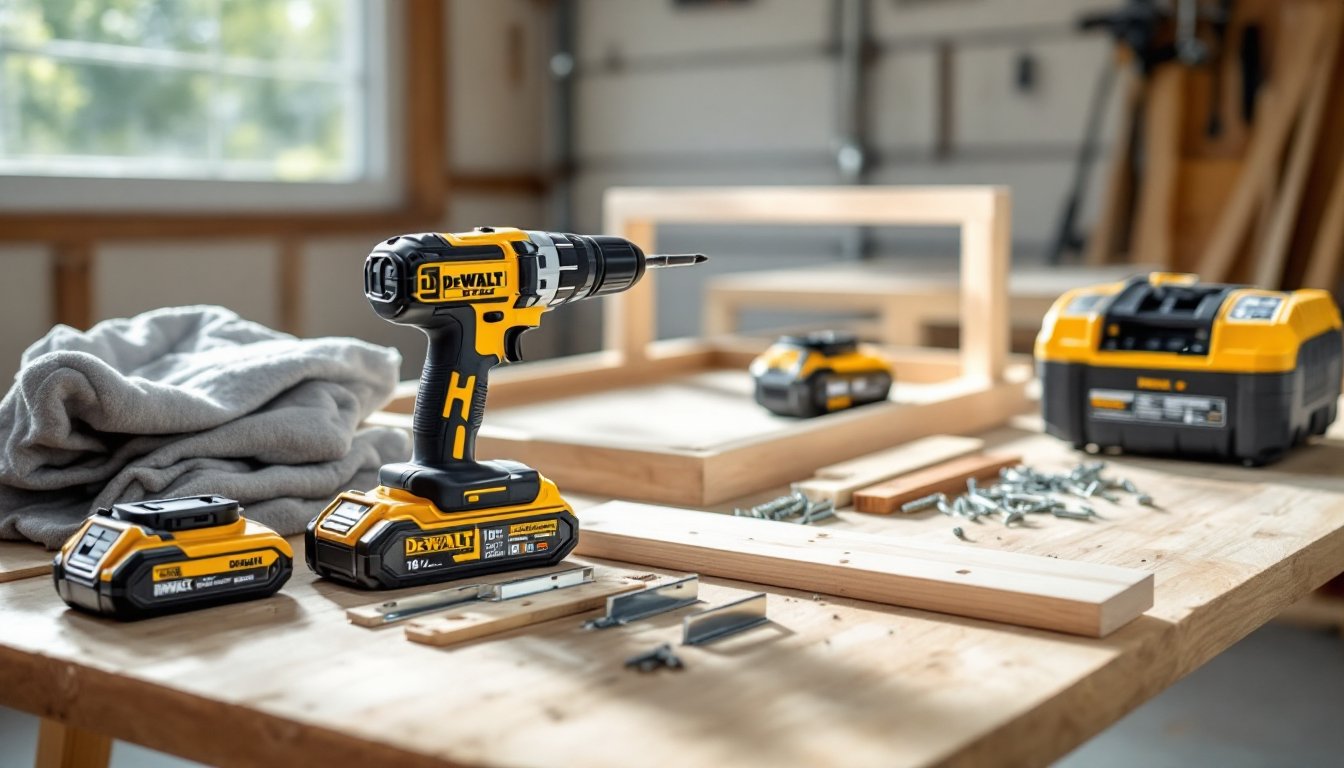
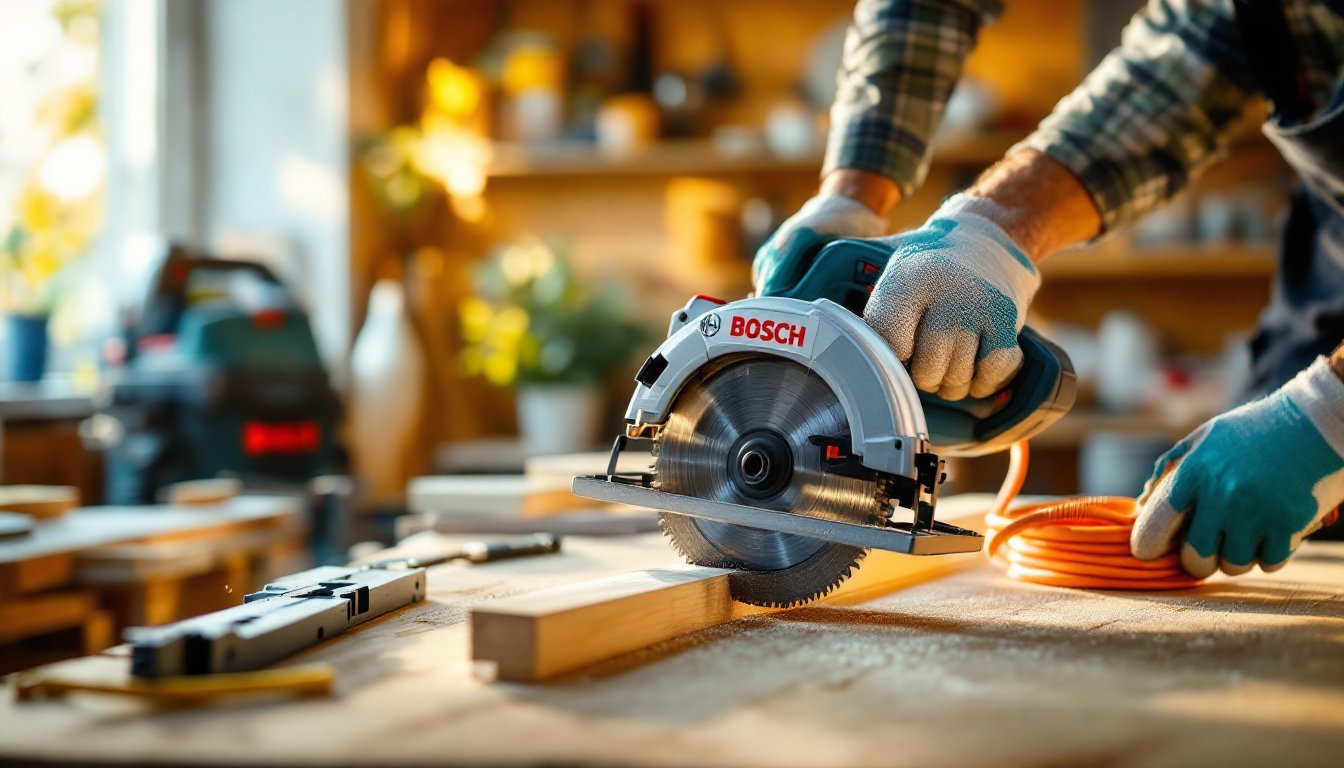
A circular saw is one of the first power tools most DIYers grab when starting a project, and for good reason. Whether you’re framing a wall, ripping lumber, or crosscutting plywood, a reliable saw makes the difference between a clean cut and splintered frustration. Bosch circular saws have earned a solid reputation among home improvers for balancing affordability, durability, and cutting precision. This guide walks you through what makes Bosch saws worth considering, which models fit different jobs, and how to get the most from whichever saw you choose. If you’re building a workshop or upgrading an aging saw, you’ll find the practical details here.
Table of Contents
ToggleKey Takeaways
- Bosch circular saws balance affordability, durability, and precision, making them an excellent choice for DIYers upgrading their power tool collection.
- Choose between corded models (6+ amps for consistent power) and cordless options (18V–20V for portability), depending on whether you need sustained runtime or convenience for intermittent projects.
- A 7-1/4 inch blade with 40 teeth is the standard for most home projects, while 60-tooth blades deliver cleaner cuts in hardwood and 24-tooth blades excel at ripping.
- Always secure your workpiece with clamps, let the blade do the work without forcing, and replace dull blades immediately to maintain safety and cut quality.
- Regular maintenance—clearing motor vents, wiping the shoe, storing batteries properly, and applying light oil to prevent rust—extends your Bosch saw’s lifespan by years.
Why Bosch Circular Saws Stand Out for Home Projects
Bosch has been making power tools for decades, and their circular saws appeal to DIYers because they bridge the gap between cheap big-box options and premium contractor-grade equipment. You get solid build quality without paying pro prices.
Bosch saws typically feature decent motor power (usually 4.8 to 6.5 amps for corded models), which handles ripping hardwood and crosscutting dimensional lumber without bogging down. The blade guides and shoe designs on most models cut smoothly with minimal vibration, which means straighter cuts and less hand fatigue during longer sessions. That matters when you’re working overhead or making dozens of cuts in a day.
Another practical advantage: availability and customer support. Bosch parts and accessories are easy to find at big-box stores and online retailers. When a blade wears out or you need a dust shroud, you’re not hunting through specialty suppliers. The company also publishes solid documentation, so troubleshooting or adjusting a saw isn’t a mystery.
Key Models and Their Best Uses
Bosch offers several circular saw lines aimed at different skill levels and budgets. Their entry-level models (the CS10 series) work fine for occasional cutting, trim work, simple shelving, light framing. If you’re building a deck or doing heavier ripping and crosscutting regularly, step up to a mid-range Bosch 7-1/4 inch saw like the SKU CS7 or higher amperage options. These handle construction-grade lumber and multiple cuts per project without strain.
For serious woodworking or frequent projects, cordless Bosch 18V or 20V systems offer freedom from cord management and are surprisingly potent for a homeowner’s workbench. They’re lighter, quieter, and cost less to operate than corded saws, trade-off is that a larger corded saw edges them out on sustained power if you’re ripping 2x10s all day.
Cordless Vs. Corded Options
Corded circular saws deliver consistent power without battery drain. A 6.5-amp corded model won’t lose cutting speed whether you’re on cut one or cut fifty. Runtime is unlimited, just keep the cord untangled. Corded saws are heavier (typically 7–9 pounds) and you’re tethered to an outlet or extension cord, which can be annoying in tight spaces or on rooftops.
Cordless saws shine for portability and convenience. Bosch’s 18V and 20V brushless models deliver impressive torque in a lightweight package (around 5–6 pounds). Battery-powered saws are quieter and produce zero fumes in enclosed spaces. The catch: you need charged batteries on hand, and cutting thick hardwood or running extended sessions drains cells faster. If your projects are intermittent, weekend work, remodels spread over months, cordless makes sense. If you’re framing a house in a week, corded is more practical.
Essential Features to Look For
Not all circular saws are built the same. When comparing Bosch models or any brand, prioritize these features.
Motor power (amps) is foundational. Five amps minimum for occasional work: 6+ amps if you’re cutting hardwoods or thicker material regularly. Check the specs, marketing wattage can be misleading.
Blade size and stroke depth matter for the type of cuts you make. A 7-1/4 inch blade is the DIY standard and cuts through 2x lumber, plywood, and composite decking with room to spare. A 6-1/2 inch saw is lighter and faster for trim and thinner stock. Depth of cut at 90° should be at least 2-1/8 inches to crosscut a 2×4 in a single pass.
Bevel range and adjustment let you make angled cuts. Most Bosch saws tilt from 0° to 50° or 55°, which covers crown molding, compound framing, and chamfers. Make sure the bevel detent locks firmly at 90° and 45°, loose detents mean your repeats won’t be consistent.
Dust blower and collection reduce nuisance dust and improve line of sight. A built-in dust shroud that connects to a shop vac is a quality-of-life upgrade that saves cleanup time. Check that the attachment doesn’t obstruct the blade guard or make the saw awkward to maneuver.
Guard design affects safety and visibility. Bosch saws typically feature a spring-loaded retractable guard that clears the blade on the downstroke. A guard that’s too stiff or intrusive slows work and tempts users to pry it open, defeating its purpose. A good guard feels natural and doesn’t snag the material.
Blade Selection and Cutting Techniques
The blade is the business end of any saw, and swapping blades for different materials is one of the simplest ways to improve cut quality. Bosch and aftermarket blades range from bargain carbide-tipped units to premium offerings. A solid mid-grade carbide blade (around $30–50) lasts hundreds of crosscuts and rips and stays sharper longer than budget steel blades.
Blade tooth count drives the cut profile. A 40-tooth blade is the all-purpose workhorse for dimensional lumber and plywood, fast cutting and decent finish. A 60-tooth or higher blade makes cleaner, slower rips in hardwood and produces less tear-out in veneer plywood. A 24-tooth ripping blade cuts fast through 2x material but leaves a rougher edge. Having two or three blades on rotation, a 40-tooth, a 60-tooth, and maybe a 24-tooth rip blade, covers 90% of home projects.
For technique, proper setup prevents accidents and delivers straighter cuts. Always clamp or secure your workpiece so both hands are free to guide the saw. Never try to hold a board with your hand while cutting, that’s how fingers get close to spinning blades. Use a speed square or miter gauge as a cutting guide for crosscuts: freehand cuts are faster but less accurate and tire your hands. When ripping long boards, use a rip fence attachment (many Bosch saws include one) or build a simple edge guide from a straight board and clamps.
Let the blade do the work. Don’t force the saw through thick material, if it’s bogging down, check that your blade is sharp and your motor has enough amps. Forcing causes binding, heat damage to the motor, and loss of control.
Safety Tips and Maintenance for Long-Lasting Performance
A circular saw demands respect. Spinning at speeds over 3,000 rpm, the blade can cause serious injury in a fraction of a second. Always wear safety glasses or a face shield to protect against ejected splinters and blade fragments. Hearing protection (earplugs or muffs) is essential, prolonged exposure to circular saw noise damages hearing. Cut-resistant gloves protect your hands when handling freshly cut edges and blades, though never wear them while the saw is running.
Before each session, inspect the blade for cracks, missing teeth, or excessive wear. A dull or damaged blade tears wood, creates kickback risk, and burns the cut edge. Replace it, dull blades demand more force and defeat the safety margin your saw provides. Check that the guard retracts smoothly and the blade stops spinning within seconds of releasing the trigger. A sluggish stop is a sign of worn brushes or bearing wear in cordless models.
Maintenance is straightforward. Keep the motor vents clear of sawdust buildup, dust blocks cooling airflow and causes thermal stress. Wipe down the shoe and base plate after dusty jobs to prevent grit from affecting your next cut’s accuracy. Cordless batteries deserve care: don’t leave them in direct sun, store them at room temperature, and charge them with the official Bosch charger to avoid degradation. A battery babied lasts longer and charges faster.
Store your saw in a dry spot, preferably hanging on a wall or in a toolbox where it won’t collect moisture. Corded models appreciate a coiled cord (not kinked) to prevent internal wire damage. When not in use for extended periods, apply a light coat of machine oil to the shoe to prevent rust, especially important in humid climates. These habits cost nothing and add years to your tool’s useful life.
Conclusion
A Bosch circular saw is a reliable choice for the DIYer ready to invest in quality cutting performance. Whether you choose a corded model for raw power or a cordless option for convenience, focus on matching the saw’s amp rating and features to your typical projects. Invest in good blades, use proper technique, and respect the tool’s speed and power. With consistent maintenance and safe handling, your Bosch saw will deliver clean, accurate cuts for years, and become one of those tools you actually enjoy reaching for on project day.