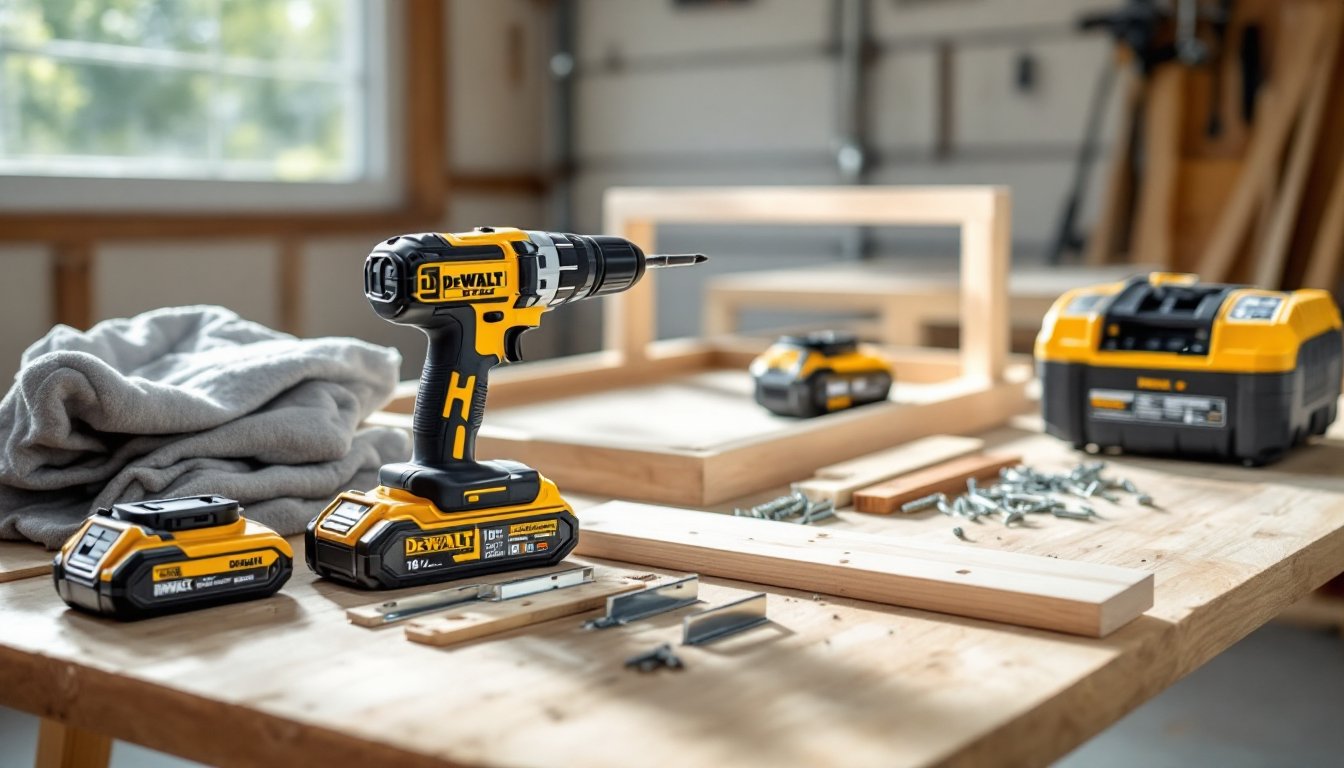
If you’re building shelves, assembling furniture, or tackling deck repairs, a reliable drill is non-negotiable. The DeWalt 18 volt drill has become the go-to choice for homeowners who need a tool that works as hard as they do. It balances real power with portability, no extension cord required, no air compressor needed. Whether you’re driving 3-inch deck screws or boring through doubled-up studs, an 18-volt DeWalt drill delivers the torque and battery life to finish the job without constant recharging. This guide walks you through why these tools have earned their reputation and how to choose the right model for your workshop.
Table of Contents
ToggleKey Takeaways
- A DeWalt 18V drill delivers the ideal balance of power and portability for homeowners, offering enough torque to drive 3-inch deck screws and bore through doubled-up studs without constant recharging.
- The 18-volt platform sits between lighter 12V and heavier 20V models, making it compact enough for one-handed use in tight spaces yet powerful enough to handle most fastening, boring, and assembly tasks.
- Lithium-ion batteries rated 2.0 Ah provide roughly 50% more runtime than 1.3 Ah batteries; storing batteries in cool, dry conditions and rotating two batteries prevents downtime during full-day projects.
- DeWalt 18V drills excel at fastening, boring pilot holes, light demolition, and furniture assembly, but fall short for heavy-duty masonry drilling, sustained fastening in dense hardwood, and all-day continuous use.
- Mid-range DeWalt 18V kits with two larger-capacity batteries and a fast charger offer the best value for active DIYers, while entry-level models suit occasional homeowners tackling a few projects yearly.
- Regular maintenance—cleaning the chuck after each use, inspecting charging contacts, storing indoors, and rotating battery use—extends tool lifespan and ensures reliable performance for a decade or more.
Why The DeWalt 18V Drill Stands Out For DIY Projects
A DeWalt 18V drill isn’t just another power tool, it’s a workhorse engineered for real tasks. Most cordless drills in this class deliver 300-500 unit watts out (UWO), which translates to enough stopping power for wood, metal, and light masonry work without bogging down.
One reason homeowners gravitate toward the 18-volt platform is its sweet spot between power and weight. A 12-volt drill feels lighter in your hand but runs out of steam on harder applications: a 20-volt model adds heft and overkill for basic fastening. An 18-volt DeWalt drill sits in the middle, compact enough to use one-handed in tight spaces like between joists, yet muscular enough to handle drilling a hole through doubled-up pressure-treated lumber without stalling. Battery technology in this class has also matured, so you’re not tethered to a charging dock for hours anymore.
Reliability matters too. DeWalt tools are backed by a reputation for standing up to actual jobsite abuse. Homeowners who’ve owned one for five or ten years still report consistent performance, which saves money in the long run.
Key Features And Specifications That Matter
Compact Design And Ergonomics
The typical DeWalt 18 volt drill weighs between 3.5 and 4.5 pounds, light enough to hold overhead without your shoulder screaming after five minutes, but sturdy enough to feel purposeful in your grip. The chuck (the rotating clamp that holds your bit) is usually a 1/2-inch keyed or keyless design: keyless chucks let you swap bits one-handed without hunting for a chuck key.
Grip texture matters more than it sounds. Most DeWalt models feature a soft-overmold handle that doesn’t slip when your hands are sweaty or dusty. The trigger is variable-speed, meaning you control the rotational speed by how hard you squeeze, slow and steady for precision pilot holes, full throttle for driving fasteners. A reversible motor (spinning forward or backward) is standard: this saves your wrist when you’re unscrewing something stubborn.
Battery Life And Charging Efficiency
A DeWalt 18-volt drill typically ships with one or two lithium-ion batteries, often rated 1.3 Ah to 2.0 Ah (amp-hours). The difference is real: a 2.0 Ah battery gives you roughly 50% more runtime than a 1.3 Ah before you need to switch batteries. For a homeowner doing occasional projects, one decent battery and a charger is sufficient. The charger, usually a standard or fast-charger model, takes 30 minutes to 1 hour to bring a depleted battery to full capacity.
Heat is the enemy of battery lifespan. Lithium batteries degrade faster if you leave them in a hot garage or constantly charge them in direct sun. Store batteries in a cool, dry place, and avoid leaving them fully discharged for months. Most modern chargers include a fan and thermal monitoring to prevent overcharging. If you’re planning a full day of work, grab a second battery and rotate them, while one is charging, you’re working with the other.
Best Uses Around Your Home
A DeWalt 18V drill excels at fastening and boring tasks that dominate home projects. Here’s where it shines:
Fastening: Driving wood screws into studs for hanging shelves, securing deck boards, or assembling cabinet boxes. The 18-volt platform has enough torque to sink 3-inch structural deck screws without stalling. A standard wood bit or drill/driver bit works fine for most applications.
Boring holes: Drilling pilot holes before fastening (this prevents splits in hardwood), boring holes for door locks, and drilling through doubled framing. A brad-point bit gives cleaner entry holes than a standard twist bit. For metal work, like holes in steel brackets or hardware, use a metal twist bit and a light touch.
Light demolition: Using a spade bit or hole saw to remove drywall patches or cut openings for outlets. Some homeowners use a DeWalt 18 volts drill with an auger bit to clear blocked gutters or small deck post holes, though a dedicated impact driver is stronger for serious fastening.
Assembly and installation: Flat-pack furniture, mounting TV brackets, installing crown molding trim, and fastening L-brackets to support shelving. The variable trigger gives fine control when you’re driving into softer materials like pine or MDF and don’t want to sink the screw too deep.
Where it falls short: heavy-duty drilling in masonry (you need a hammer drill), sustained driving of hundreds of fasteners in dense hardwood (an impact driver works better), or continuous drilling all day (battery runtime becomes the bottleneck). For these tasks, pair your drill with a specialist tool recommended by professionals or rent the appropriate equipment.
Comparing DeWalt 18V Models: Finding Your Best Match
DeWalt offers multiple 18-volt models, and the differences come down to brand positioning and bundle contents rather than raw specifications.
Entry-level models (often sold as compact kits) include a basic drill, one smaller battery, and a charger. These are fine for occasional homeowners tackling a few projects per year. The motor and chuck are the same quality as pricier siblings: you’re paying less because you get fewer batteries and no carrying case.
Mid-range models typically bundle two larger-capacity batteries, a fast charger, and sometimes a circular saw or impact driver. This is sweet spot for active DIYers. Two batteries mean you’re never waiting for a charge, and the larger capacities keep you working longer.
Professional-grade 18-volt kits come with heavy-duty carrying cases, multiple batteries, a radio or worklight, and access to the extended warranty. If you’re planning to start a side business or you use tools daily, the extra investment pays off in durability. But, most homeowners never need this tier.
When comparing, focus on battery voltage (all are 18V in this class), chuck type (keyless is convenient), and whether the motor is brushless (more efficient, longer-lasting). Don’t get distracted by brand aesthetics or case color. A DeWalt 18 volt drill from five years ago performs virtually identical to today’s model for basic fastening and boring work. If you already own batteries in the DeWalt 18V ecosystem, say, from a saw or another tool, stick with that platform to minimize battery duplication. Cross-brand batteries rarely work across manufacturers.
Maintenance Tips To Extend Tool Lifespan
Keeping your DeWalt 18-volt drill in working order requires minimal effort but consistent habits.
Clean the chuck and bit regularly. Sawdust creeping into the chuck reduces grip and causes runout (wobbling). After each use, wipe the chuck with a dry cloth and remove any debris. If dust has built up, a short blast of compressed air clears it: never use water.
Inspect the power cord and connectors. Even though it’s cordless, the charging port is vulnerable. If you notice corrosion (greenish or white residue) on the battery contacts, wipe both the drill and battery connector gently with a dry cloth or pencil eraser. Don’t use metal or abrasive materials that scratch the contact.
Store it indoors. Temperature extremes and humidity shorten battery and motor lifespan. A dry garage or basement is ideal: a humid or freezing shed is not. Keep the tool in a case or bag if possible to avoid dust accumulation.
Replace brushes (if not brushless). Older DeWalt 18V drills use brushed motors, which wear out carbon brushes over time, usually after 50-100 hours of heavy use. Brushless motors have no brushes and are more efficient, but they’re pricier. If your drill is brushed and you hear a grinding noise, brushes may need replacement: a local service center can handle this for $40-80.
Test the battery monthly. If you’re not using the drill regularly, charge the battery once a month and let it sit idle for a week. This exercise keeps the pack healthy and lets you catch a failing battery before you need the tool in an emergency. Dead batteries that won’t hold a charge should be recycled at a retailer or hazmat facility, not thrown away.
Use the correct bit for the job. Using a spade bit meant for wood in a metal hole dulls the bit and strains the motor. Keep a small assortment of wood bits, metal bits, and masonry bits on hand, and swap them as needed. A sharp, correct-sized bit makes all the difference in runtime and consistency.
Conclusion: Your Next Essential Tool
A DeWalt 18 volt drill is an investment that pays dividends across years of projects. It’s not flashy, but it’s reliable, the kind of tool that sits in your garage for a decade and still starts on the first trigger pull. For homeowners serious about DIY work, from basic fastening to light-duty boring and assembly, an 18-volt drill is hard to beat. Pair it with good batteries, keep it clean, and it’ll earn its place in your workshop.