In a world where bigger often means better, tiny home kitchens are flipping that notion on its head. These pint-sized culinary havens prove that you don’t need a sprawling space to whip up gourmet meals. With a dash of creativity and a sprinkle of smart design, tiny kitchens are redefining what it means to cook at home.
Table of Contents
ToggleOverview of Tiny Home Kitchens
Tiny home kitchens redefine traditional cooking spaces. These compact areas maximize functionality while minimizing clutter. Many designs incorporate multi-purpose furniture, such as folding tables or pull-out cabinets, which enhance usability.
Some layouts include innovative storage solutions like vertical shelves and hidden compartments, allowing for efficient organization. Key appliances often feature size-efficient models that maintain performance without sacrificing quality. Examples include compact refrigerators and miniature dishwashers that fit neatly into limited spaces.
Additionally, natural light enhances the ambiance of tiny kitchens. Windows and skylights create an open feeling that makes cooking more enjoyable. Effective lighting also adds warmth, helping to transform a small kitchen into an inviting area.
Materials play a crucial role in setting the tone. Sleek countertops made from quartz or recycled materials display modern aesthetics while ensuring durability.
Floor plans typically emphasize open concepts, promoting a sense of flow. The integration of small dining nooks can also encourage social interaction, even in tight spaces.
Tiny home kitchens exemplify creativity in design. They demonstrate that residents prioritize function without sacrificing style. Culinary enthusiasts frequently discover that the charm of a tiny kitchen lies in its ability to facilitate gourmet meal preparation.
Design Considerations
Tiny home kitchens require thoughtful design strategies to maximize functionality. Efficient use of space encourages culinary creativity while maintaining a stylish atmosphere.
Space Optimization
Optimize every inch of available space in a tiny kitchen. Using vertical storage solutions like shelves and hooks keeps essential items accessible while minimizing clutter. Smart placement of cabinets and drawers allows for easy organization. Pull-out features such as cutting boards or pantry shelves enhance usability. A compact kitchen island can also serve as both a preparation area and a dining space. Consider incorporating elements like foldable tables or wall-mounted drop-leaf surfaces that provide flexibility as needed. Effective layout creates a seamless workflow, allowing for smooth transitions between cooking, cleaning, and dining.
Multi-Functional Furniture
Multi-functional furniture significantly enhances a tiny kitchen’s practicality. An extendable table can serve for dining, meal prep, and even work or study space. Stools with storage capacity underneath contribute to both seating and organization. Choose kitchen carts that double as additional counter space and storage solutions. The inclusion of convertible furniture, like a sofa bed, offers a place to relax while freeing up kitchen area. Such furniture ensures efficiency without compromising design. Every piece should contribute to the overall functionality and aesthetic, creating a visually appealing and adaptable environment.
Essential Features
Tiny home kitchens must balance functionality and aesthetics while maximizing efficiency. Prioritizing essential features creates an inviting and practical cooking space.
Appliances for Tiny Homes
Compact appliances play a crucial role in tiny kitchens. Energy-efficient models conserve space and reduce utility costs. Induction cooktops and under-counter refrigerators provide convenience without compromising performance. Using built-in microwaves and combination oven units enhances versatility. The careful selection of these major appliances ensures they fit seamlessly into design while meeting cooking needs.
Storage Solutions
Effective storage solutions are vital in tiny home kitchens. Vertical cabinets utilize height, providing extra room for utensils and cookware. Pull-out shelves and hidden compartments keep essential items organized and accessible. Magnetic strips can secure knives, freeing up counter space. Custom shelving and hooks allow for personalized touches while maximizing every inch. Celebrating innovative storage transforms tiny kitchens into functional culinary environments.
Style and Aesthetics
Tiny home kitchens combine efficiency with eye-catching design. Emphasis on style enhances functionality, creating inviting spaces where culinary creativity thrives.
Popular Design Trends
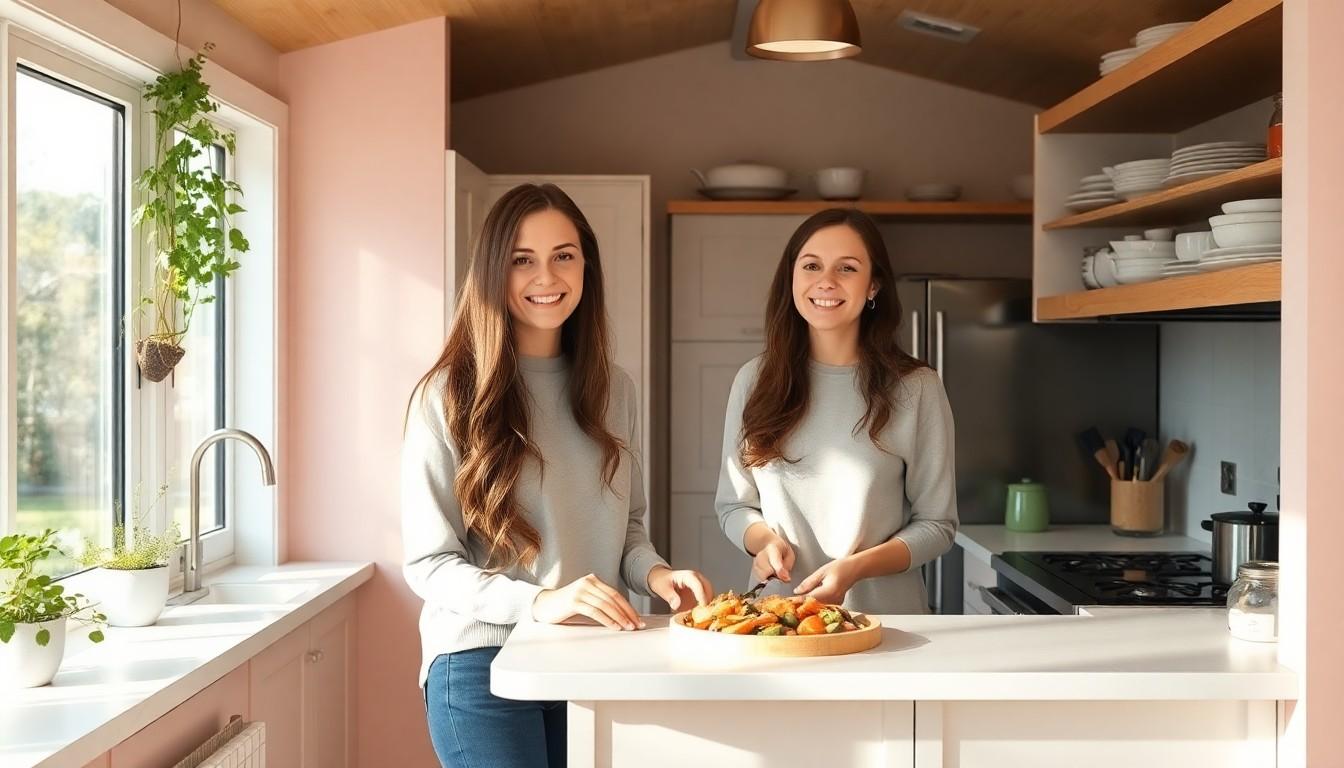
Open shelving is a popular trend, allowing easy access to cooking essentials while showcasing beautiful dishware. Minimalist designs often prevail, promoting a clean and airy feel. Bold statement pieces, like unique backsplashes, add character without overwhelming space. Multi-functional islands serve as prep areas and dining spots, further optimizing limited square footage. Incorporating greenery through herbs or small plants brings life into the kitchen, fostering a vibrant atmosphere.
Color Schemes and Materials
Light colors dominate tiny kitchens, making spaces feel larger and more inviting. Soft whites, light greys, and pastels create a fresh, modern appeal. Mixing textures adds depth, with wood finishes complementing sleek metal fixtures for contrast. Natural materials, like bamboo or reclaimed wood, resonate with eco-conscious design choices. Glossy surfaces reflect light, enhancing the warmth and brightness of compact areas. Thoughtful material selection not only prioritizes aesthetics but also ensures durability in high-traffic zones.
Benefits of Tiny Home Kitchens
Tiny home kitchens offer numerous advantages that promote efficiency and creativity. Space efficiency emerges as a primary benefit, as these kitchens maximize functionality within limited footprints. Storage solutions become more innovative, with vertical cabinets and under-shelf baskets ensuring ample space for essentials. Accessing cooking tools and ingredients remains easy, contributing to a seamless cooking experience.
Cost savings represent another significant benefit. Smaller kitchens require fewer materials and appliances, leading to reduced renovation and maintenance expenses. Energy-efficient appliances, like induction cooktops, minimize utility bills while maintaining optimal performance. Budget-conscious homeowners appreciate these economic advantages.
Social interaction thrives in tiny kitchen designs. Open floor plans foster communication between cooks and guests, turning meal preparation into a shared experience. Multi-functional furniture, such as kitchen tables that double as prep areas, supports this communal atmosphere. This design choice encourages connection, transforming cooking into a joyous social activity.
Appreciating aesthetics remains essential. Tiny kitchen spaces allow for creative expression through color schemes, materials, and layouts. Light tones enhance the sense of openness, while bold decor elements can create striking focal points. Consistency in design promotes a cohesive look, making these spaces appealing and inviting.
Functionality blends with style in tiny kitchens. Minimalist designs combined with well-chosen textures contribute to a modern, uncluttered ambiance. Personal touches, such as herb gardens or decorative utensils, create a warm, personalized environment. Ultimately, tiny home kitchens encapsulate practicality without sacrificing visual appeal, demonstrating that size constrains neither culinary potential nor artistic flair.
Challenges and Solutions
Tiny home kitchens present unique challenges that require innovative solutions. Limited space often complicates traditional cooking practices. Efficient organization emerges as a necessity, encouraging the use of vertical storage and pull-out shelves. Space-saving appliances like under-counter refrigerators and induction cooktops optimize functionality without sacrificing performance.
Storage poses another challenge. Custom shelving and magnetic strips for knives create practical storage solutions, enhancing accessibility and minimizing clutter. Multi-purpose furniture, such as extendable tables, provides additional utility while maintaining a sleek appearance.
Lighting serves as a critical aspect as well. Lack of adequate natural light can make small kitchens feel enclosed. Incorporating effective artificial lighting elevates ambiance and functionality, turning workspaces into inviting areas.
Maintaining aesthetic appeal is essential despite the constraints of space. Design choices, such as open shelving and minimalist styles, allow for both beauty and practicality. Bold backsplashes can inject personality into the kitchen, making it a focal point rather than an afterthought.
Social interaction often diminishes in smaller spaces. However, open floor plans encourage engagement between cooks and guests, fostering a communal cooking experience.
A clear understanding of these challenges leads to thoughtful design solutions. Homeowners can create kitchens that not only meet culinary needs but also provide spaces for connection and creativity. Prioritizing functionality and aesthetics transforms tiny home kitchens into efficient culinary environments without compromising style.
Tiny home kitchens prove that size doesn’t dictate culinary greatness. With innovative designs and smart storage solutions, these compact spaces can be both functional and stylish. Homeowners can create inviting environments that promote social interaction while enjoying the cooking process.
By embracing energy-efficient appliances and multi-functional furniture, tiny kitchens become practical without sacrificing aesthetics. The thoughtful selection of materials and design elements enhances the overall experience, making meal preparation enjoyable and efficient.
Ultimately, tiny home kitchens offer a unique opportunity to blend creativity with functionality, transforming limited spaces into culinary havens.