A range hood filter isn’t glamorous, but it’s one of the hardest-working components in your kitchen. Every time you cook, grease, steam, and cooking odors get pulled up into that hood, and your filter is what actually traps the mess before it circulates back into your home. Broan range hood filters are engineered to handle this workload reliably, but only if you understand what type you have, how to maintain it, and when to swap it out. This guide walks you through everything you need to know to keep your kitchen air fresh and your hood running efficiently, no professional HVAC contractor required.
Table of Contents
ToggleKey Takeaways
- Broan range hood filters trap grease, smoke, and cooking particles to prevent oily buildup on kitchen surfaces and maintain your hood’s suction power and efficiency.
- There are two main types of Broan range hood filters—durable, reusable baffle filters for heavy cooking loads and lighter-duty mesh filters that are faster to clean but clog quicker.
- Clean baffle filters monthly for light cooking or every 2–4 weeks for frequent frying by soaking in hot soapy water, gently scrubbing crevices, and rinsing thoroughly before reinstalling.
- Reusable Broan filters typically last 3–5 years with regular cleaning, while disposable mesh filters should be replaced every 1–3 months depending on cooking volume.
- Always match your replacement filter’s size and type to your specific Broan model using the hood’s manual or model number to ensure proper fit and airflow efficiency.
- Investing $20–$50 in a quality replacement filter prevents air from bypassing the filter entirely and keeps your kitchen fresher and your hood working optimally.
What Are Broan Range Hood Filters and Why They Matter
Broan range hood filters capture airborne grease, smoke, and cooking particles before they escape into your kitchen cabinets, walls, and ceiling. Without an effective filter, that oily residue builds up on surfaces, attracts dust, and makes cleaning a nightmare. Over time, a clogged filter also reduces your hood’s suction power, you’ll notice cooking smells lingering longer and steam not clearing as quickly.
Broan is a market leader in ventilation products, and their filters are designed to work specifically with Broan hoods and compatible units. The filter’s job is straightforward: trap particulates while allowing air to flow through to the ductwork. A clean filter means better performance, lower energy use, and fresher-smelling kitchen. Most homeowners forget about their filters until the kitchen gets smoky or the hood sounds like it’s working twice as hard. Regular maintenance adds years to your hood’s life and keeps that investment working as intended.
Types of Broan Range Hood Filters
Baffle Filters
Baffle filters use curved, overlapping metal blades to separate grease from air. As air flows through the baffles, grease droplets collide with the metal and slide downward into a collection cup or tray beneath the hood. These are durable, washable, and built to last years with proper care. Because they’re metal and have a solid construction, baffle filters handle heavy cooking loads well, great if you fry, grill, or roast frequently.
The upside: they’re reusable and don’t need replacing. The downside: they require more thorough cleaning than mesh filters because grease can accumulate in the curves and seams. Many Broan under-cabinet and wall-mounted hoods use baffle filters as their primary filtration method.
Mesh Filters
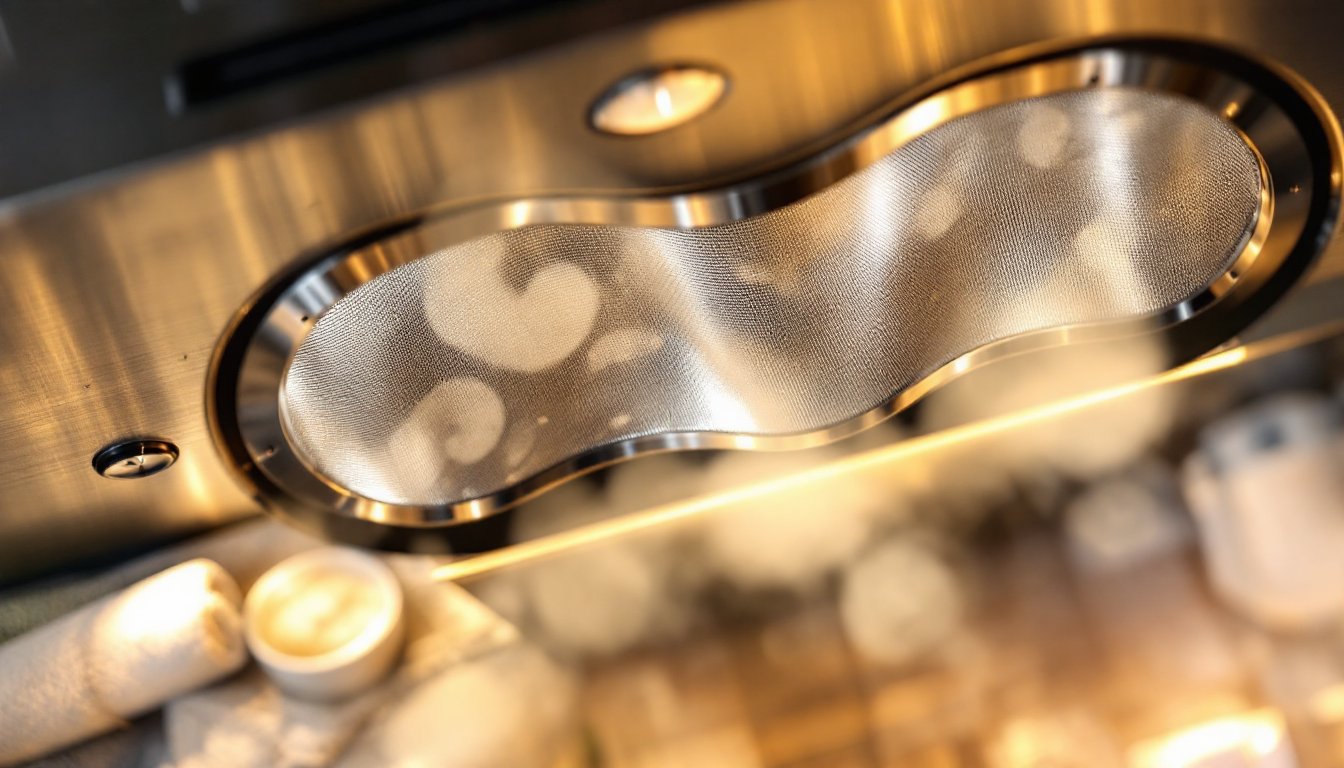
Mesh filters are flat, screen-like filters made from aluminum or similar material with small holes. They catch grease and particles on the surface and in the mesh weave. Mesh filters are lighter-duty than baffle filters and work best in lighter cooking situations, think everyday cooking rather than frequent heavy frying or charbroiling.
Mesh filters are easier to clean than baffles because there are fewer crevices, but they do clog faster with heavy grease buildup. Broan offers both reusable mesh filters (which you wash and reinstall) and disposable mesh filters (which you replace). If your hood uses a disposable mesh filter, replacement is straightforward and inexpensive, usually $15–$30 per filter depending on size.
How to Clean Your Broan Range Hood Filter
Cleaning frequency depends on how much you cook and what you cook. Light cooks might clean monthly: frequent fryers should clean every 2–4 weeks. If your filter looks dark, you’re overdue.
For baffle filters:
- Remove the filter. Most Broan hoods have a simple release lever or clip that lets you slide the filter straight down. Wear latex gloves, the grease is slick.
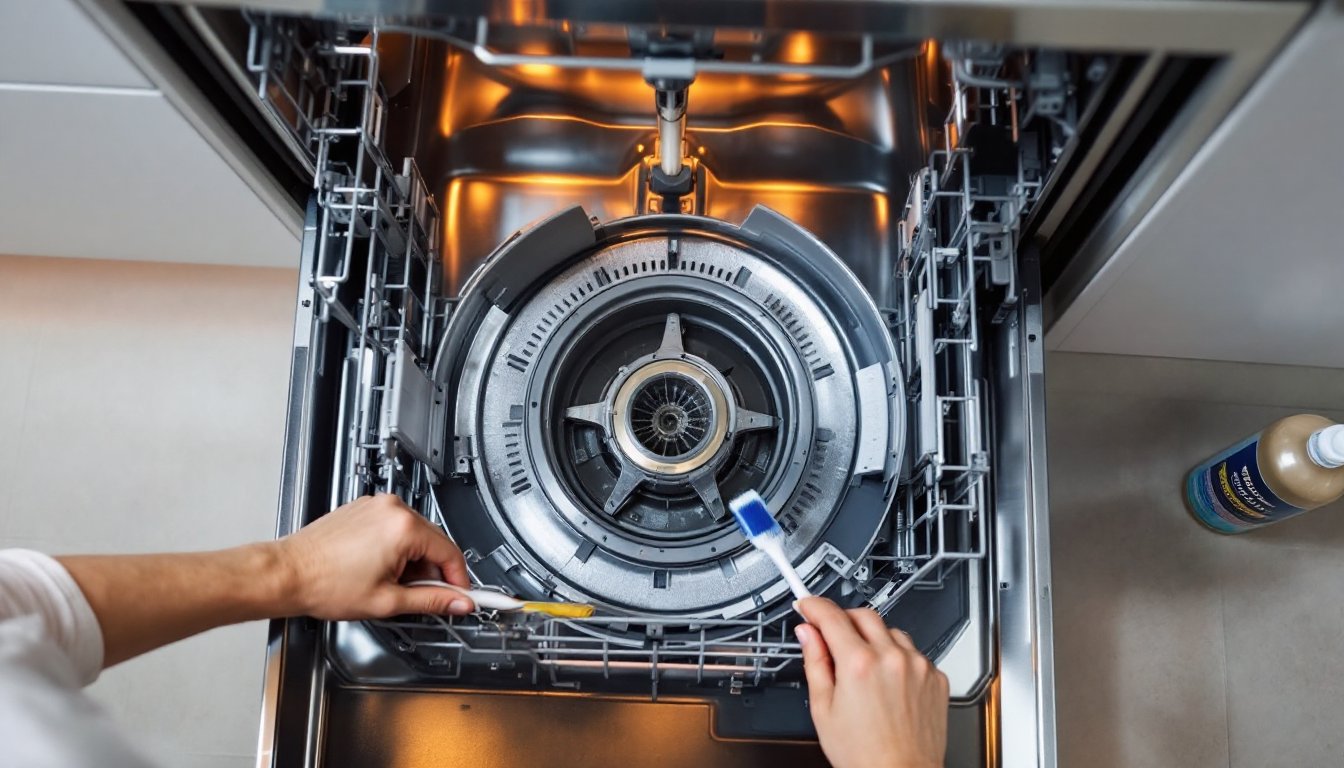
- Soak or spray. Use hot soapy water (dish soap works fine) or a degreaser spray. Fill a bathtub or large container with hot water and a few squirts of dish soap, then submerge the filter for 15–20 minutes. Alternatively, spray both sides with a kitchen degreaser and let it sit for 5 minutes.
- Scrub gently. Use a soft-bristle brush or sponge to work grease out of the crevices. Don’t use a wire brush or scouring pad, you’ll scratch the metal coating.
- Rinse thoroughly. Run hot water over the filter until the water runs clear. Inspect the curves and edges to make sure grease is gone.
- Dry and reinstall. Pat dry with a clean cloth or let air-dry for a few minutes before sliding the filter back into the hood.
For mesh filters:
Mesh is faster to clean. Spray both sides with degreaser or soak briefly in soapy water, then use a soft brush to gently agitate the mesh. Rinse and dry. If a reusable mesh filter is too far gone, replacement is simple and affordable.
Pro tip: how to clean range hood filters provides detailed methods for multiple filter styles. Post-cleaning, make sure the filter is completely dry before reinstalling, moisture can encourage mold and reduce airflow. Always wear eye protection and gloves when handling degreasers, and ensure the hood is off and cooled before you start.
When and How to Replace Your Filter
Reusable filters (baffle and metal mesh) typically last 3–5 years with regular cleaning. Replace them if you notice warping, permanent discoloration even though cleaning, rust spots on the metal, or severely bent baffles that don’t sit flat. Damage affects airflow and trapping efficiency.
Disposable filters should be replaced every 1–3 months, depending on cooking volume and type. If your Broan hood originally came with a disposable mesh filter, that’s the easiest route for replacement. Sizes vary, common dimensions are around 16″ × 25″ or 18″ × 30″, but measure your old filter or check your hood’s manual to be sure. You can find genuine Broan replacements at appliance supply stores or online, or compatible third-party filters that meet the same dimensions and airflow rating.
To replace:
- Open the hood and locate the filter release tabs or clips.
- Slide the old filter out carefully, it may have accumulated dust and debris.
- Note the airflow direction (usually marked with an arrow on the filter frame) and slide the new filter in, making sure it seats firmly.
- Close the hood and test the suction, you should notice snappier performance immediately.
One thing many DIYers miss: replacement filters aren’t a one-size-fits-all. Match the size and type to your specific Broan model. Check your hood’s manual or the model number (usually stamped inside the hood cavity) and cross-reference it with the manufacturer’s spec sheet. Resources like how to clean a range hood filter cover both cleaning and replacement procedures in detail.
Budget roughly $20–$50 for a replacement baffle or quality mesh filter, and $15–$30 for disposable mesh filters. Genuine Broan parts cost more but fit precisely: compatible aftermarket filters save money if the dimensions match. Don’t cheap out on filter quality, a poorly-fitting filter bypasses air without filtering it, defeating the purpose.
Conclusion
A working range hood filter is invisible until it isn’t, then your kitchen gets smoky and smelly. Broan filters are straightforward to maintain: identify your filter type, clean or replace it on schedule, and you’re done. Whether you’re working with baffle or mesh filters, the key is staying on top of it rather than waiting for problems. With basic cleaning supplies and 15 minutes, you’ll keep your kitchen air fresh and your hood running like new.