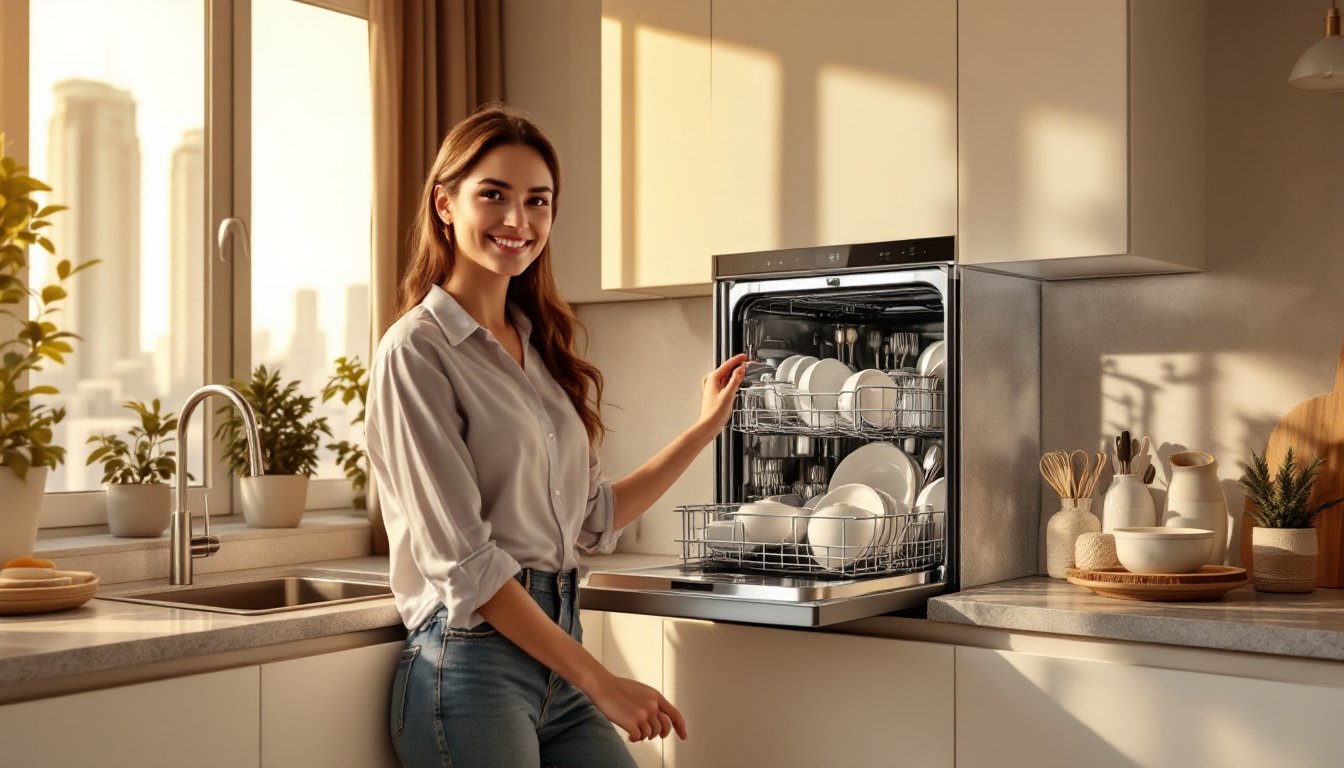
If you’ve been hand-washing dishes in your Indian kitchen, a dishwasher might feel like an unaffordable luxury, but that perception is shifting fast. Modern dishwashers designed for Indian homes are compact, water-efficient, and increasingly affordable as brands compete for a growing market. Whether you’re renovating a city apartment or upgrading a standalone house, understanding your options for a dishwasher in India helps you make a choice that fits your space, budget, and lifestyle. This guide walks you through why homeowners are making the switch, which brands deliver real performance, what specs matter most, and how to install and maintain one without surprises.
Table of Contents
ToggleKey Takeaways
- A dishwasher in India uses 80–100 liters per cycle versus 150+ liters for hand-washing, delivering water savings of ₹1,800–₹3,600 annually in metro areas.
- Top brands like Siemens, Bosch, IFB, and budget-friendly Godrej/Voltas offer compact models (8–14 place settings) designed for Indian kitchens, ranging from ₹20,000–₹80,000+.
- Proper installation requires plumbing access, water pressure between 0.5–10 bar, and ideally a water softener or inline filter (₹2,000–₹5,000) to protect against hard water damage.
- Regular monthly maintenance—cleaning gaskets, emptying filters, and quarterly citric acid cleaning cycles—prevents mineral buildup and extends appliance life to 10 years.
- Dishwashers reach 65–75°C temperatures that kill bacteria more effectively than hand-washing, making them a hygiene investment for families in India’s warm climate.
- Break-even cost occurs in 4–6 years when water, electricity, and detergent savings offset the upfront hardware and installation expense.
Why Dishwashers Are Becoming Essential in Modern Indian Homes
Dishwashers aren’t just about convenience, they’re practical investments for Indian households balancing water scarcity, time, and hygiene priorities. Most automatic dishwashers use 80–100 liters per cycle, while hand-washing typically consumes 150+ liters. For families in water-restricted areas, a dishwasher’s precision spray and reuse of recirculated water actually cuts consumption. Time savings add up too: a full load done in two hours overnight frees up morning routines, especially valuable in dual-income households.
The hygiene angle matters more in India’s climate. Dishwashers reach 65–75°C water temperatures, killing bacteria that tap water and elbow grease alone won’t eliminate. Families with young children, elderly members, or anyone concerned about waterborne pathogens find that confidence worthwhile. Plus, in metropolitan areas like Mumbai, Delhi, and Bangalore, space is at a premium, compact models slot under counters or into kitchen islands, solving the “where do I put it?” dilemma that once seemed insurmountable.
Top Dishwasher Brands and Models Available in India Today
The dishwasher market in India has matured well beyond imported luxury goods. Domestic and global brands now offer models tailored to Indian kitchens and water conditions. Siemens, Bosch, and IFB dominate the premium segment with stainless-steel finishes, digital controls, and energy ratings (BEE 3-Star minimum). Models like the Bosch SMS66GI01I and IFB Neptune Vx deliver quiet operation (under 45dB) and half-load cycles, crucial for smaller households.
Godrej and Voltas pitch mid-range options priced between ₹25,000–₹40,000, targeting budget-conscious buyers who don’t need all the bells. Entry-level LG and Samsung models bring familiar brand reliability, though availability varies by region. Labs like Good Housekeeping’s appliance testing regularly evaluate top performers on stain removal and drying ability, insights worth checking before you commit. Always verify that your chosen model has authorized service centers in your city: buying a great deal online means nothing if repairs take three weeks.
Key Features and Specifications to Evaluate Before Buying
Capacity, Size, and Kitchen Space Considerations
Dishwasher capacity is measured in place settings, a place setting equals one dinner plate, one salad plate, one bowl, one glass, and one set of cutlery. 8–10 place settings fit most compact Indian kitchens and single-to-small-family households. 12–14 place settings suit larger families or those who cook and entertain regularly. Measure your cabinet space (width typically 45–60 cm for standard units, 40 cm for compact slimline models) before shopping.
Depth and height matter too: standard front-loaders are 85 cm tall and 60 cm deep: slimline units are 45 cm wide and shallower. In modular kitchens with island benches or peninsulas, a portable or semi-portable model with a removable hose offers flexibility without renovation costs. Confirm plumbing access: if your kitchen sink is far from the intended dishwasher spot, extended inlet hoses (up to 2.5 meters) and drain lines add cost and installation complexity. Visit showrooms and open doors, live practice beats measurements on a screen.
Installation and Water Connection Requirements
Installation difficulty depends on whether you choose a portable, semi-portable, or built-in model. Portable models roll near your sink, connect via temporary hoses, and drain into the sink, essentially no-tool setup, though hose management and manual positioning get old. Semi-portable models have permanent drain lines but removable inlet hoses, offering middle-ground flexibility.
Built-in models demand real plumbing. You’ll need access to a cold-water inlet (ideally a separate tap under the sink, installed via a T-junction if you lack one), a drain outlet connected to the sink’s P-trap or waste pipe, and ideally a dedicated 16A electrical circuit on a different line from your refrigerator to avoid breaker trips. Water pressure must fall between 0.5–10 bar: most Indian homes run 2–4 bar, which is fine. But, high sediment or mineral content in hard water damages spray nozzles and heaters, installing an affordable water softener or inline filter (₹2,000–₹5,000) extends appliance life significantly.
For built-in installation, hire a qualified electrician and plumber. Improper connections void warranties and risk water damage to cabinets. Permits aren’t usually required for a domestic dishwasher, but always check with your building society rules in apartment complexes, some restrict water-using appliances on upper floors. Installation labor typically costs ₹3,000–₹8,000 depending on complexity.
Cost Analysis and Long-Term Savings for Indian Homeowners
Upfront costs vary widely: entry-level models (Godrej, Voltas) run ₹20,000–₹35,000: mid-range imports (Bosch, IFB) cost ₹40,000–₹70,000: premium units (Siemens, high-end Bosch) exceed ₹80,000. Installation and plumbing add another ₹5,000–₹15,000. Over a 10-year lifespan, that’s ₹250–₹450 per month in amortized hardware costs, not trivial, but offset by operational savings.
Water savings are concrete: a 100-liter cycle beats 150+ liters of hand-washing. At ₹20–₹40 per 1,000 liters in metro areas, a daily cycle saves roughly ₹150–₹300 monthly (₹1,800–₹3,600 annually). Electricity adds ₹400–₹800 per month (a 2 kWh cycle × 30 cycles × ₹6–₹8 per unit). Dish soap and sponges drop from ₹500+ monthly to ₹200–₹300. Health and time gains (fewer infections, fewer hours on a chore) don’t fit a spreadsheet but matter enormously. Break-even typically arrives in 4–6 years: afterward, it’s pure savings.
Maintenance Tips to Maximize Appliance Lifespan
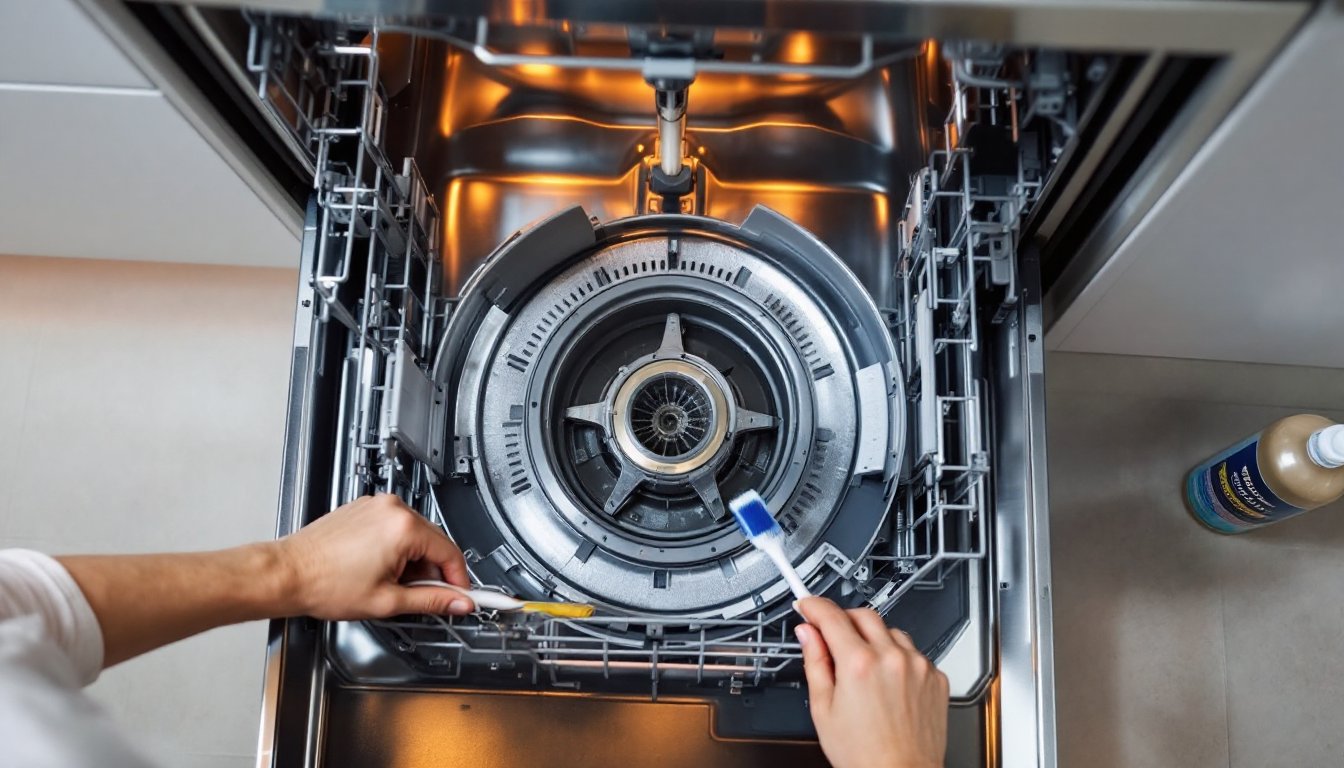
Preventive maintenance makes the difference between a 10-year appliance and a 5-year repair nightmare. Monthly: Clean the door gasket with a damp cloth and white vinegar to prevent mold: remove trapped food and debris from the filter basket at the unit’s base (don’t skip this, clogs cause poor drainage and odors). Quarterly: Run an empty hot cycle with citric acid powder (₹200–₹500 for 500g: found at chemists) or a commercial dishwasher cleaner (brands like Finish make India-specific products) to dissolve mineral deposits on heating elements and nozzles. Hard water buildup reduces spray pressure and efficiency fast.
Annually: Check inlet hose screens for sediment: replace hoses if you notice cracks or bulges. Inspect the spray arm for clogs, unclog holes with a thin wire or toothpick if needed. Never use bleach or abrasive cleaners inside: they corrode stainless steel and seals. If the model has a salt reservoir (common in models designed for hard-water regions), refill it with dishwasher salt monthly, omitting this voids your “soft water” guarantee and ruins the water softening resin.
When detergent residue builds up or cycles run longer than usual, it’s not a fault, it’s a sign your filters and gaskets need attention. Address these early: ignoring them leads to costly technician calls. Most Indian service centers charge ₹1,500–₹3,000 for a routine clean-and-check visit, which is worth every rupee for peace of mind.