In a world where everything seems to be getting smarter, why should your thermostat be left in the dark ages? Smart thermostats are here to save the day—and your wallet. Imagine a gadget that not only learns your heating and cooling preferences but also adjusts itself while you binge-watch your favorite shows. That’s right. No more battling with the thermostat like it’s a stubborn toddler.
Table of Contents
ToggleOverview of Smart Thermostats
Smart thermostats are devices that enhance temperature control in homes by learning user preferences. These innovative tools not only automate climate adjustments but also improve energy efficiency and reduce costs.
Definition and Functionality
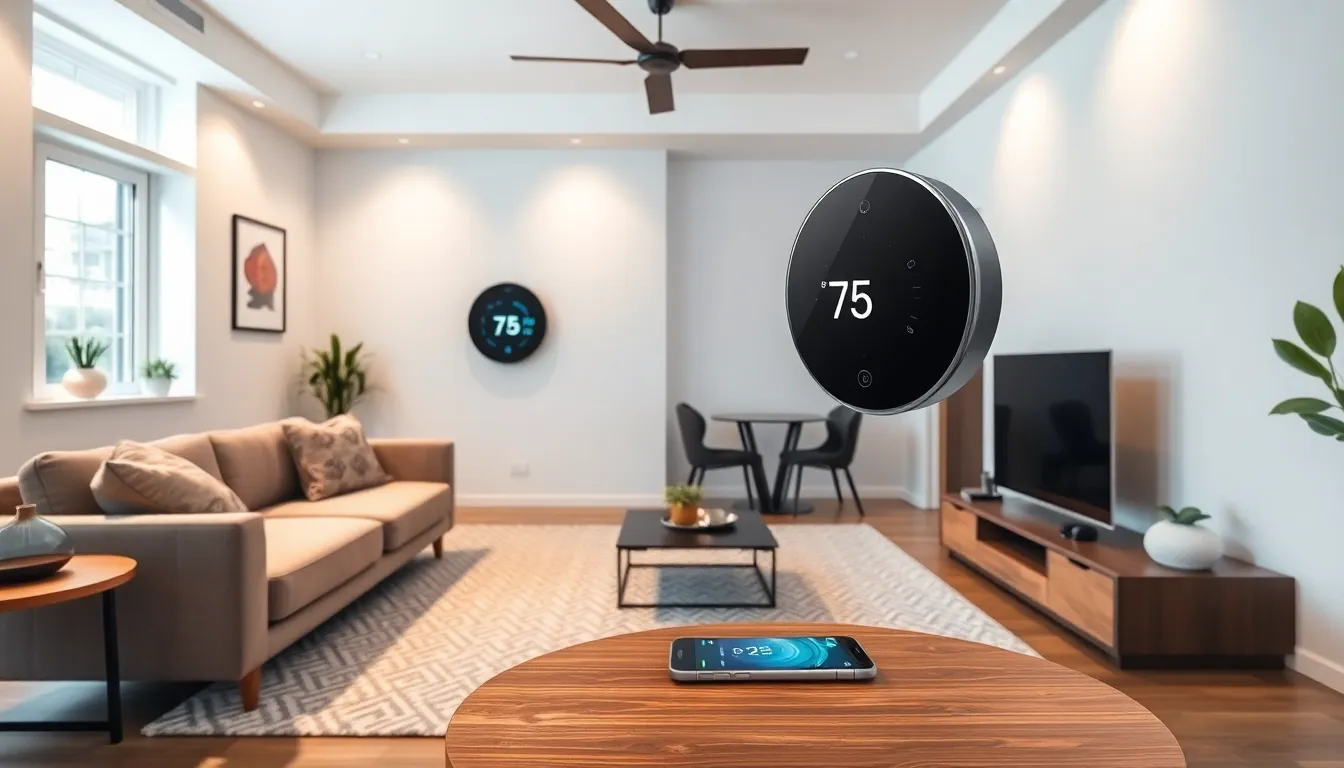
A smart thermostat is a device designed to manage heating and cooling systems efficiently. Users can control these thermostats remotely through smartphone applications. It learns user schedules, resulting in automatic adjustments to optimize comfort and save energy. Various models incorporate advanced features, including integration with smart home systems and voice control capabilities.
How Smart Thermostats Work
Smart thermostats utilize sensors and algorithms to monitor temperature changes and user behavior. They collect data on heating and cooling patterns to create a personalized climate profile. Users input preferences, allowing the device to automate adjustments based on real-time conditions. This technology results in a more efficient energy consumption strategy, contributing to significant savings on utility bills.
Benefits of Smart Thermostats
Smart thermostats offer numerous advantages that improve home comfort and energy management. Their advanced technology caters to users’ needs while optimizing efficiency and convenience.
Energy Efficiency
Energy efficiency ranks among the top benefits of smart thermostats. These devices adjust heating and cooling based on real-time data. Sensors detect changes in occupancy, ensuring systems operate only when necessary. Algorithms analyze patterns, optimizing energy use throughout the day. By maintaining an ideal temperature range, users can enjoy a comfortable environment while reducing energy waste. Data indicates that smart thermostats can lower energy consumption by 10-15 percent compared to traditional models.
Cost Savings
Cost savings emerge as another significant advantage. Smart thermostats reduce reliance on heating and cooling systems. Users notice decreased utility bills as a result of optimized energy use. Many models provide usage reports, helping users identify trends in energy consumption. Incentive programs often support smart thermostat installations, enhancing overall savings. Research shows that households can save an average of $180 annually on energy costs when using these devices.
Convenience and Control
Convenience and control enhance user experiences with smart thermostats. These devices allow remote monitoring and adjustments through smartphone apps. Multiple users can access the system, providing flexibility for families or housemates. Voice control integration simplifies adjustments, making it easier to change settings on demand. Notifications alert users to any unusual energy consumption patterns, promoting proactive management. Overall, smart thermostats empower users, giving them complete control over their home’s climate.
Popular Smart Thermostat Models
Several smart thermostat models stand out in the market for their advanced features and user-friendly interfaces.
Nest Learning Thermostat
Nest Learning Thermostat adapts to user habits, ensuring optimal temperature settings. Users appreciate its sleek design and easy installation process. It also offers energy-saving features, which can reduce energy usage by up to 15%. Dual-band Wi-Fi connectivity allows it to communicate seamlessly with other smart devices. The Nest app provides remote access, enabling users to monitor and adjust home temperature from anywhere. Over time, it learns preferences and adjusts settings automatically, enhancing comfort and efficiency.
Ecobee SmartThermostat
Ecobee SmartThermostat is recognized for its room sensor technology, which allows better temperature management throughout the house. Sensors detect occupancy, ensuring heating or cooling occurs where it’s needed most. Its robust compatibility with various smart home systems enhances its appeal for tech-savvy users. The added voice control feature with built-in Alexa streamlines control options. Installation typically takes less than 30 minutes, and the accompanying app offers real-time energy reports. Users can save around 23% on their heating and cooling costs annually with this model.
Honeywell Home T9
Honeywell Home T9 excels in customizable comfort settings, making it a favorite among homeowners. With smart room sensors, it optimizes temperature based on occupancy, improving energy efficiency. The touchscreen display simplifies user interaction, while the integration with smart home ecosystems allows for seamless connectivity. Notifications alert users to unusual energy consumption patterns, helping to identify potential issues. Its energy-saving capabilities offer significant reductions in utility bills. Users report an annual savings of approximately 15% with this thermostat, showcasing its effectiveness.
Installation and Setup
Installing a smart thermostat can enhance energy efficiency and comfort. Whether opting for a DIY approach or hiring a professional, understanding installation steps can streamline the process.
DIY Installation vs Professional Installation
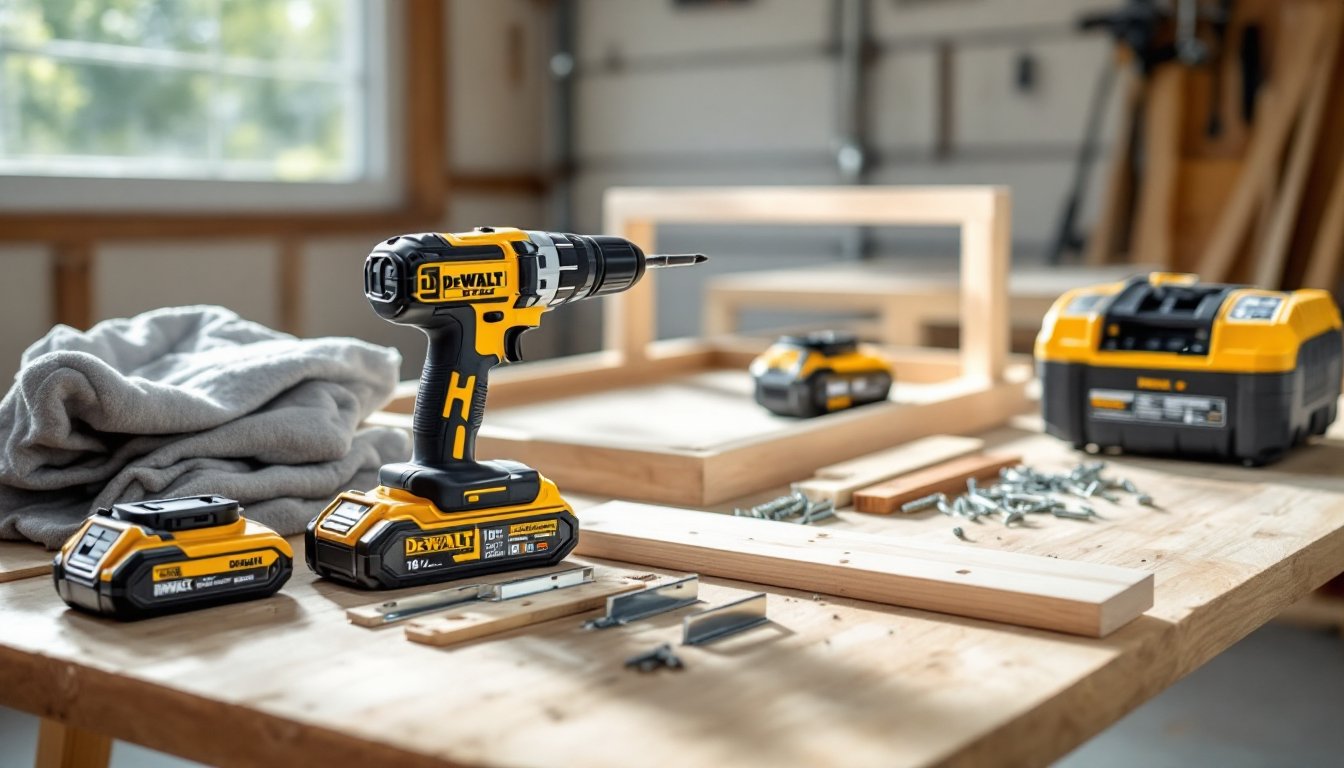
DIY installation offers flexibility and cost savings, appealing to many users. Tools typically needed include a screwdriver and a drill. Following manufacturer instructions ensures correct wiring and placement. Users can reference online tutorials for visual guidance. On the other hand, professional installation guarantees accuracy. Experts manage complex wiring and compatibility concerns. Ideal for those unfamiliar with electrical systems, this option promotes peace of mind. Many thermostat manufacturers provide recommendations for certified installers. Weighing these options helps users select the best path for their situation.
App Configuration and Features
App configuration significantly enhances the smart thermostat experience. Most devices feature mobile applications allowing for remote temperature adjustments. Users quickly set schedules and preferences through intuitive interfaces. Furthermore, real-time energy usage reports empower users to monitor efficiency. Customizable notifications keep users informed about unusual patterns. Integration with voice assistants like Alexa or Google Assistant adds convenience. Setting up geofencing capabilities allows the thermostat to adjust based on user location. Emphasizing these app features assists users in maximizing their thermostat’s potential.
Common Issues and Troubleshooting
Smart thermostats can experience various issues affecting their performance. Understanding these problems helps maintain optimal functionality.
Connectivity Problems
Connectivity issues often arise due to weak Wi-Fi signals or network interruptions. A lack of stable connection can result in the device not responding to commands. Users should check their router for any technical issues or consider relocating the router closer to the thermostat. Ensure that the thermostat’s firmware is updated, as outdated software can lead to disconnection. Restarting both the thermostat and the router might resolve temporary network problems. Reviewing the network settings in the thermostat app can also help identify any connectivity discrepancies.
Sensor Calibration
Sensor calibration might be needed if the thermostat consistently displays inaccurate temperature readings. Users can verify the readings by comparing them to a separate, reliable thermometer. If discrepancies appear, recalibrating the thermostat often corrects the issue. Access the thermostat’s settings menu to find calibration options, then input the required adjustments. Regular maintenance is essential for ensuring the sensors function correctly. If calibration doesn’t resolve the issue, consider contacting customer support for further assistance.
Smart thermostats represent a significant advancement in home climate control. By learning user preferences and automating temperature adjustments, they not only enhance comfort but also promote energy efficiency. The ability to control these devices remotely offers unparalleled convenience for modern homeowners.
With various models available, users can choose one that best fits their needs while enjoying cost savings on utility bills. The ease of installation and troubleshooting further solidifies their place in smart home technology. Embracing smart thermostats can lead to a more comfortable living environment and a reduced carbon footprint, making them a smart choice for any household.