If you’ve spent time standing in front of a standard refrigerator searching for something in the back of the fridge, you know the frustration. A counter depth refrigerator with a bottom freezer addresses exactly that pain point, and does it without eating up half your kitchen. These units sit flush with your cabinetry, creating a seamless, built-in look while placing frequently used fresh food at eye level. For homeowners tired of awkward reach heights and bulky appliances, a bottom freezer refrigerator counter depth option offers both practical comfort and contemporary style. Whether you’re planning a full kitchen renovation or upgrading a single appliance, understanding how this design works can make the difference between a showpiece and a genuine quality-of-life improvement.
Table of Contents
ToggleKey Takeaways
- A counter depth bottom freezer refrigerator sits flush with cabinetry at 24–25 inches deep, eliminating the bulky appearance of standard 30+ inch models while reclaiming kitchen floor space.
- Bottom freezer placement puts the frequently-accessed refrigerator section at eye level, reducing daily bending and reaching while making frozen items easier to locate with pull-out drawers.
- These units offer superior aesthetic integration with modern kitchens and typically hold 20–24 cubic feet of storage, requiring honest assessment of whether reduced capacity fits your household’s actual usage patterns.
- Before purchasing, measure your cabinet opening depth precisely and verify door swing clearance, as counter depth dimensions are fixed and cannot accommodate tighter kitchen alcoves.
- Counter depth bottom freezer refrigerators work best for households that shop frequently, entertain selectively, and prioritize ergonomic accessibility and contemporary design over maximum storage volume.
What Is A Counter Depth Bottom Freezer Refrigerator?
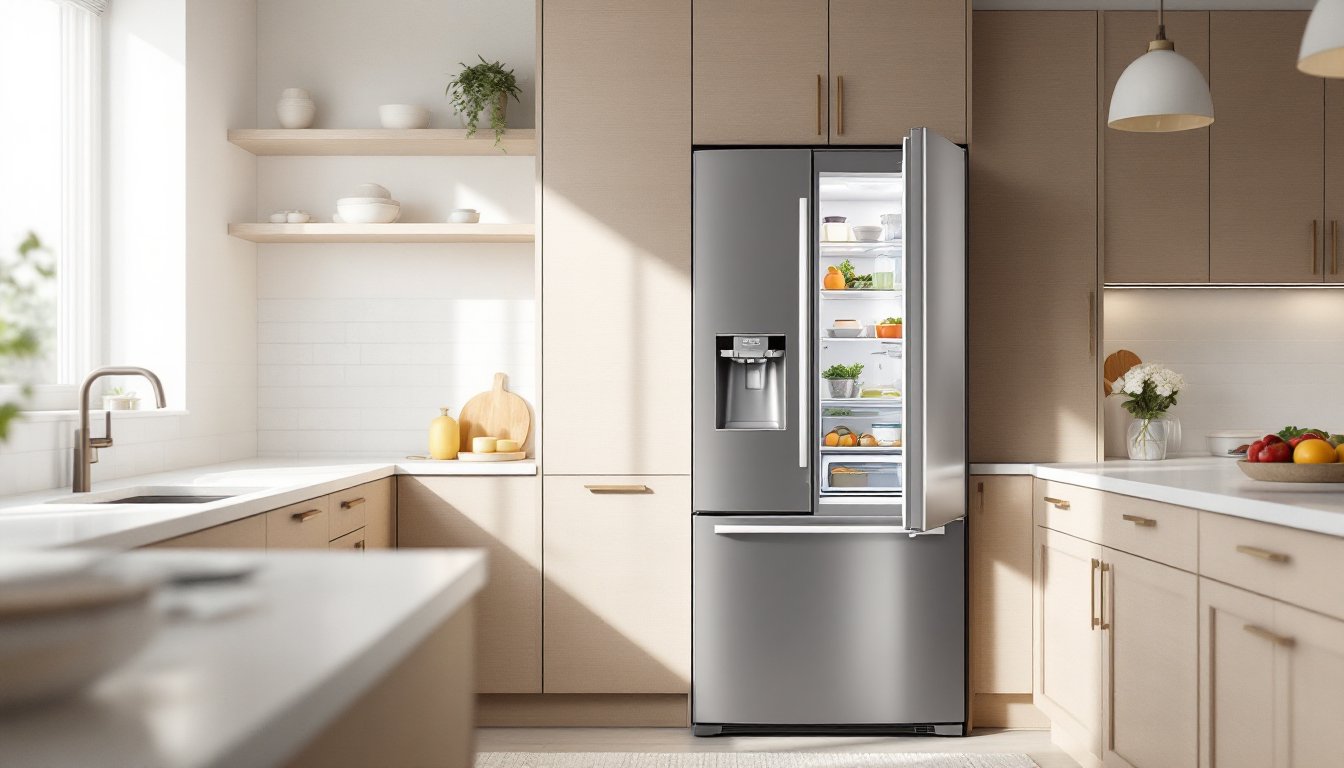
A counter depth refrigerator bottom freezer is a refrigerator designed to align with standard kitchen countertop depth, typically 24 to 25 inches from front to back, compared to the 30 inches or more of traditional full-depth models. Rather than stacking the freezer above the fridge section (the familiar top-freezer layout), this design places the freezer compartment below, with the larger fresh-food compartment occupying the upper two-thirds of the unit.
The appeal lies in proportion and ergonomics. When installed properly, a counter depth bottom freezer refrigerator sits flush with your cabinetry, kitchen islands, and countertops. You’re not looking at a bulky box poking into your walkway. More importantly, because the refrigerator section is positioned at or near eye level, you spend less time bending and stretching to access the items you use most, vegetables, dairy, leftovers, drinks.
Internally, these units use the space efficiently. The bottom freezer compartment includes pull-out drawers that make frozen items easier to locate and reach than a traditional chest-style deep freeze. The refrigerator section above features adjustable shelving and is designed to maximize usable storage even though the shallower overall depth.
This configuration has become standard in modern kitchen design because it bridges form and function. You get a contemporary look without sacrificing daily usability.
Key Advantages For Your Kitchen
A counter depth bottom freezer refrigerator delivers tangible benefits that go beyond appearance.
Space-Saving Design And Aesthetic Appeal
The first win is obvious: proportional scale. Standard 36-inch-wide refrigerators sit 30 inches deep. Shave off 6 inches and you reclaim floor space in a galley kitchen, around an island, or in any layout where an appliance jutting into the room creates a traffic bottleneck. Homeowners often describe the difference as liberating, a kitchen suddenly feels less cramped.
Aesthetically, counter depth refrigerators integrate with your cabinetry. Many models have cabinet-depth handles, recessed vents, and finishes (stainless steel, panel-ready frames) that align with surrounding design. Unlike older almond or harvest-gold refrigerators, modern units don’t announce themselves as appliances: they read as part of the room’s architecture. Kitchen designers frequently recommend this feature when working with high-end cabinetry or open-concept layouts where the appliance is visible from adjacent living spaces. The top counter-depth refrigerators reviewed by major appliance testers demonstrate how this style has become the default for contemporary homes.
Improved Accessibility And Convenience
There’s a real ergonomic case for bottom freezer placement. Most homeowners access the refrigerator section multiple times daily, grabbing milk, checking what’s for dinner, pulling out leftovers. That section at eye level to waist level is prime real estate. The freezer, by contrast, is accessed less frequently and stores items (frozen vegetables, ice cream, bulk meats) that don’t need to be scanned visually as often.
With pull-out freezer drawers, you’re not digging into a deep compartment or rearranging stacks of containers. Drawers are shallow and visible from above, reducing the “Where’d I put that?” moments. Families with young children or older adults benefit especially: no one’s dangling upside-down into a top freezer or straining to reach a fridge section on a high shelf.
Organization improves too. When the refrigerator section occupies more vertical real estate, you can use full-width drawers for produce, deli meats, and cheeses. Shelves can be spaced to accommodate pitchers, platters, and bulk containers without compromise. The kitchen organization insights from design-focused publications consistently highlight how appliance placement and drawer access affect daily kitchen efficiency.
Important Considerations Before Buying
Before committing to a counter depth bottom freezer refrigerator, measure your space and think through actual usage patterns.
Measure the opening. Counter depth models typically come in 30-, 33-, 36-, and 48-inch widths. Your cabinet opening must accommodate the unit’s width and depth. Unlike top-freezer models, a 24-25 inch depth is a hard limit: you can’t fudge it if your kitchen has an alcove. Measure from the back wall to the nearest cabinet or island edge. If your kitchen has 26 inches, you’re fine. If it has 24, you might be squeezed. Many installations require minor adjustments to cabinet framing or island positioning, which is doable but requires forethought.
Consider door swing. The refrigerator door opens outward, sometimes 80-90 degrees. In a small kitchen or galley layout, ensure the door won’t collide with an opposing island or cabinet. This is less of a concern in open layouts but critical in tight spaces.
Plan for ventilation. Unlike built-in units (which have special ducting), standard counter depth models still require air circulation around the compressor. Ensure there’s clearance on the sides and back, and plan for cleaning the condenser coils annually. If you’re installing this in a tight alcove with minimal airflow, you might need an aftermarket ventilation baffle to prevent overheating.
Storage Capacity And Organization
Counter depth refrigerators sacrifice storage volume compared to full-depth models, typically 20-24 cubic feet versus 25-30. That’s a real difference if you buy in bulk, stock a second freezer, or have a large family. Before upgrading, inventory what you actually store. Do you really need two half-gallons of milk and 8 yogurts at once, or do you shop more frequently? Are you freezing restaurant leftovers for months, or eating them within weeks?
If you entertain regularly or meal-prep extensively, the smaller capacity might require lifestyle adjustments. Some homeowners solve this by adding a small chest freezer in the garage or pantry, but that’s an extra purchase and appliance to maintain.
On the plus side, the intelligent drawer layout reduces wasted space. Pull-out freezer compartments make full use of available room because you’re not fighting gravity or rearranging items. Refrigerator shelves sit at useful intervals, and you’re less likely to lose items in the back because the shallower depth means everything is within arm’s reach. Kitchen design sourcebooks and remodel inspiration frequently showcase counter depth appliances in premium kitchens specifically because efficient storage and easy access elevate the daily experience.
Budget 3-6 months of real usage before deciding if the storage works for your household. If you’re constantly moving items or storing overflow in a second unit, counter depth might not be the right fit, and that’s okay. A standard depth fridge with a separate freezer might serve you better, even if it requires a different kitchen layout.
Conclusion
Counter depth bottom freezer refrigerators balance modern aesthetics with practical comfort. They fit into contemporary kitchens, eliminate awkward reach heights, and create a streamlined look that owners appreciate daily. But they’re not a universal solution, measure your space, assess your actual storage needs, and be honest about whether the reduced capacity works for your household. If it does, you’ll gain both visual polish and functional ergonomics.