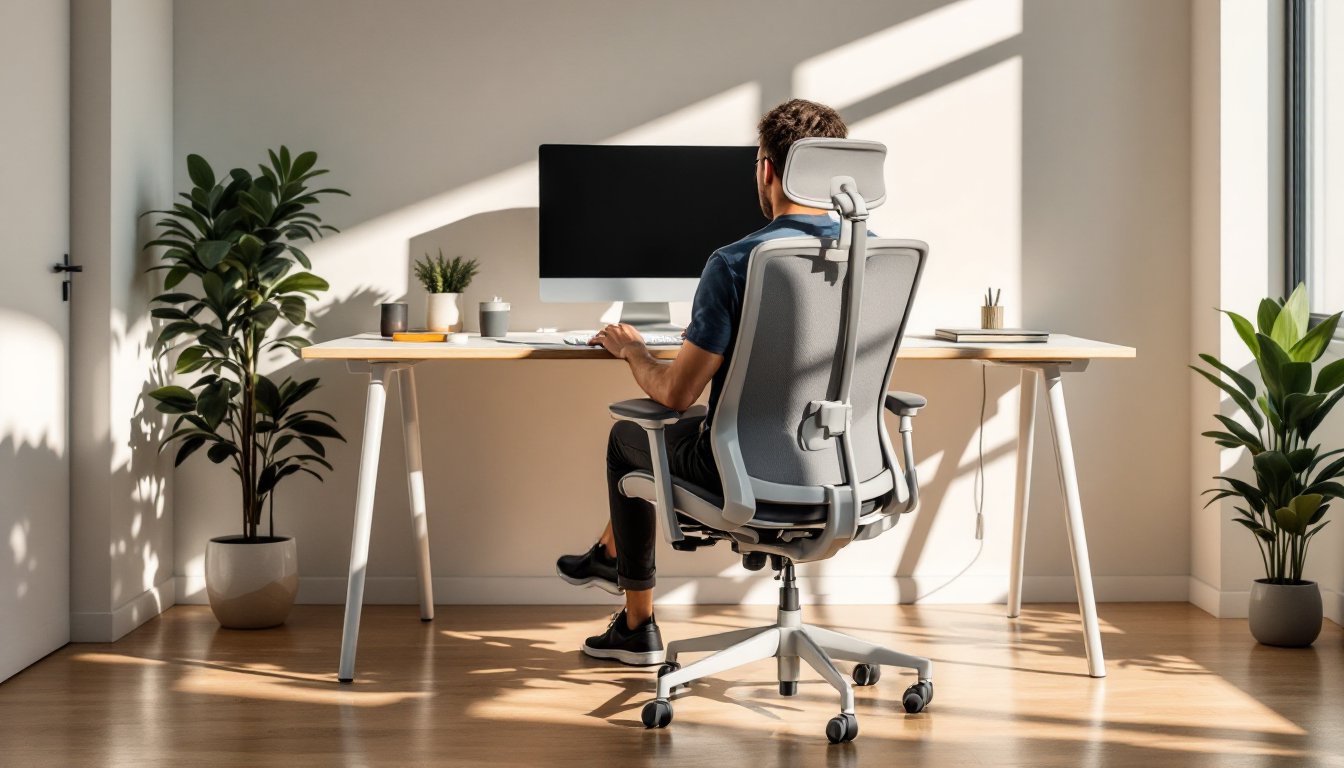
If you’re spending eight-plus hours a day sitting in a creaky office chair, your back probably has an opinion about it, and it’s not a kind one. The Ticova ergonomic office chair has been gaining traction among remote workers and home office builders looking for relief without dropping two grand on a Herman Miller. This review digs into whether the Ticova actually delivers on its ergonomic promises, how it stacks up against other mid-range options, and whether it’s the right fit for your specific workspace. Let’s cut past the marketing and talk about what matters: comfort, durability, and whether you’ll still like it six months in.
Table of Contents
ToggleKey Takeaways
- The Ticova ergonomic office chair delivers adjustable lumbar support and durable construction at a realistic $300–$400 price point, making it an excellent mid-range alternative to premium brands.
- Independent lumbar adjustment with a firmness dial allows you to customize lower-back support without tools, addressing a key weakness in most budget ergonomic office chairs.
- Welded aluminum and steel frame construction combined with high-density foam and breathable polypropylene mesh resists the “butt dip” and structural degradation common in cheaper office chairs after two years.
- Proper setup—including seat height, lumbar positioning, and armrest adjustment—is essential to achieving ergonomic benefits; spending five minutes on configuration prevents weeks of discomfort.
- The Ticova works best for remote workers in compact home offices seeking functional support over aesthetic statements, with a 300-pound weight capacity and neutral design that blends with any decor.
What Makes the Ticova Ergonomic Office Chair Stand Out
The Ticova chair enters a crowded market of budget-to-mid-range ergonomic seating, but it carves out a distinct niche by focusing on adjustability without unnecessary complexity. Unlike chairs that bury every feature under confusing tabs and levers, Ticova keeps controls intuitive and within arm’s reach, literally.
Most competitors at this price point skimp on lumbar support or use a one-size-fits-all approach that works for nobody. The Ticova addresses this with an independently adjustable lumbar system that doesn’t require you to hunt down an Allen wrench every time you want to tweak your back support. The chair’s breathable mesh backrest is a practical choice for anyone who sits all day: it doesn’t trap heat like solid padding, which matters if you’re working through a summer afternoon or in a warm room.
When comparing ergonomic office chairs across different brands, expert-tested lists from major retailers highlight the importance of adjustable features and material durability, both areas where Ticova performs competitively. The chair’s weight capacity (typically around 300 pounds) and tilt mechanism put it in a practical middle ground: robust enough for real work, but not overbuilt for single-user home offices.
Key Features and Design Elements
The Ticova’s feature set reflects real DIY office-building priorities. Here’s what you’re actually getting:
Base and Mobility: A five-point caster base with smooth-rolling wheels handles carpet and hard floors without extra adapters. The wheels are rubber-coated rather than plastic, which reduces floor scratching, a small detail that matters if you’re protecting hardwood or laminate. The pneumatic height adjustment (the gas cylinder mechanism) uses a standard spring rate, so lowering and raising the seat happens smoothly without weird resistance.
Armrests: The 3D adjustable armrests move up/down, left/right, and forward/backward. This is genuinely useful if you’re switching between typing and phone calls, though don’t expect them to feel as premium as high-end alternatives. They’re padded but firm, more about positioning than sinking into cushion.
Tilt and Recline: The multi-position tilt mechanism locks at five different angles, allowing you to lean back slightly for calls or recline more for stretch breaks. The tension adjustment lets you control how easily the chair rocks: tighter tension keeps you stable while typing, looser tension helps if you move around a lot.
Lumbar Support and Adjustability Options
This is where Ticova focuses its engineering effort. The adjustable lumbar support pillow slides up and down the backrest and has a separate firmness dial. You can dial in support precisely where your lower back needs it, rather than accepting whatever generic curve the chair came with.
The lumbar adjustment isn’t motorized (which would add cost and failure points), but it’s user-friendly enough that you won’t hesitate to tweak it. The backing behind the mesh is rigid enough to transmit the support without collapsing, unlike cheaper mesh chairs that feel like you’re sinking into fabric with no structure underneath.
First-time setup means spending five minutes finding your lumbar “sweet spot.” It’s trial and error: sit, adjust, work for an hour, adjust again. Most people nail it within a day or two. After that, the adjustment remains stable and doesn’t drift.
Comfort and Durability in Action
Comfort is subjective, but durability is measurable. The Ticova holds up in real-world use because it’s built from predictable materials that age well under regular stress.
Seat Cushion: The padded seat uses high-density foam under a breathable mesh cover. It’s not memory foam (which tends to compress over time), so it resists the “butt dip” that makes old office chairs feel broken after two years. The padding is thick enough to feel supportive, not so thick that it makes your thighs go numb after four hours of sitting.
Backrest and Mesh: The mesh is polypropylene, which resists pilling and snagging better than cheap polyester blends. It breathes well, stays relatively quiet (no fabric rustle every time you move), and doesn’t absorb sweat and odors the way fabric upholstery can. This matters for durability because moisture breaks down padding faster than anything else.
Metal Frame: The underlying aluminum and steel frame uses welded joints rather than bolted connections in high-stress areas. Bolts loosen over time: welds don’t. The base and cylinder are standard commercial-grade parts, meaning replacement parts (if needed) are inexpensive and widely available.
Durability testing from design-focused furniture reviewers emphasizes frame integrity and material longevity, precisely where Ticova’s choices pay off. Many users report the chair feeling as solid in year two as it did day one, which is honest praise in a category where most mid-range chairs start feeling wobbly by month eight.
Setting Up Your Chair for Maximum Benefits
Getting ergonomic benefits from any chair requires setup. Out of the box, here’s how to dial in your Ticova for actual support:
Height Adjustment: Your feet should rest flat on the floor (or footrest) with knees at roughly 90 degrees when you’re sitting back in the chair. Set seat height so your thighs are parallel to the floor. This prevents pressure on the back of your thighs and reduces lower-back strain.
Lumbar Support Positioning: Slide the lumbar pillow to align with the small of your back, typically around four to six inches up from the seat. Adjust firmness gradually: more isn’t always better. You want support, not a pillow shoving into your spine. Test over a full workday: it should feel like structural support, not constant pressure.
Armrest Height: Elbows should sit at 90 degrees with your forearms parallel to the desk surface when typing. Adjust height first, then angle to match your shoulder position. If you’re hunched to reach armrests, they’re too low: if you’re shrugging, they’re too high.
Tilt and Tension: Start with medium tilt tension and loosen it only if you actively recline throughout the day. Most people benefit from locking tilt at a slight forward-lean angle (to support active sitting) or a neutral position (to support structured posture).
The honest truth: spending five minutes on setup prevents weeks of “this chair doesn’t feel right” frustration. Messy cable management or a cluttered desk around your workspace also undermines posture: if your peripherals are awkwardly placed, your chair setup won’t fully help.
Is the Ticova Chair Right for Your Space?
The Ticova fits specific situations better than others. Here’s where it shines and where it might disappoint:
Ideal for: Remote workers in compact home offices, people needing adjustable support on a realistic budget, anyone who shifts between focused work and collaborative tasks throughout the day. If your office is 8×10 feet or smaller, the Ticova’s compact footprint doesn’t hog space. The neutral mesh aesthetic blends with modern or traditional decor equally well.
Less ideal for: Very tall individuals (the chair maxes out around 6’4″), people over 300 pounds (outside the rated capacity), or anyone who wants aesthetic statement-making furniture. This chair doesn’t announce itself: it disappears into the workspace. That’s a feature if you value function over showiness, but not every home office is designed that way.
Budget consideration: Ticova sits in the $300–$400 range depending on sales and retailers. Cheaper mesh chairs (often under $200) skip proper lumbar support or use flimsy frames. Chairs double the price add premium materials, longer warranties, and customer service that backs up defects. At Ticova’s price point, you’re paying for dependable basics, not luxury extras. Major retailers’ annual office chair roundups consistently place mid-range ergonomic models like this as the practical sweet spot for home office builders.
Room layout: The base footprint is standard (about 26 inches wide), and the 360-degree swivel works on both carpet and hard floors. If your desk setup requires frequent repositioning or your office doubles as a guest space, the Ticova’s mobility matters. If your chair stays in one spot, it’s a non-issue.
Conclusion
The Ticova ergonomic office chair delivers on the promise of adjustable support and durable construction without pretending to be something it’s not. It’s a practical, no-nonsense option for anyone building or upgrading a home office on a realistic budget. The adjustable lumbar support, breathable mesh, and solid frame make it a genuine step up from cheap mesh chairs, and it holds its own against comparably priced competitors. If you’re spending six-plus hours a day in your office chair, the investment in real ergonomic support pays dividends in comfort and productivity. Just don’t skip the setup, a properly adjusted Ticova works far better than a neglected premium chair.