A side-by-side refrigerator is a practical centerpiece in any modern kitchen, and Bosch side by side refrigerators earn consistent respect for their engineering and reliability. If you’re renovating your kitchen or replacing an aging fridge, understanding what sets Bosch apart, and whether it fits your needs, matters before you commit. This guide walks you through the key features, installation realities, and maintenance essentials so you can make an well-informed choice.
Table of Contents
ToggleKey Takeaways
- Bosch side by side refrigerators prioritize cooling consistency and build quality, with multi-level air dampers and dual evaporators that maintain stable temperatures for both frozen and fresh food.
- Most Bosch models offer 20–26 cubic feet of capacity with an even 50/50 freezer-to-fresh split, which works best for families who freeze frequently but may not suit those seeking maximum fresh-food space.
- Installation requires careful measurement, plumbing access for water dispensers, and a 4–8 hour acclimation period before powering on to prevent compressor damage.
- Regular maintenance—including 6-month condenser coil vacuuming, water filter replacement, and monthly door seal cleaning—keeps your Bosch refrigerator efficient and extends its lifespan to 10–15 years.
- Bosch side by side refrigerators cost $1,500–$2,500 and suit homeowners who value quiet operation and dependable engineering over smart features, with compressor warranties covering 5–10 years depending on the model.
Why Bosch Side By Side Refrigerators Stand Out
Bosch has built a reputation for quality home appliances by focusing on durability and efficiency rather than chasing gimmicks. Their side-by-side models emphasize solid construction, precise temperature control, and thoughtful design that works in real kitchens with real families.
One reason Bosch stands out is their attention to cooling consistency. Many budget refrigerators struggle with temperature swings in the freezer or weak air circulation to the crisper drawers, leading to frost buildup or prematurely aged produce. Bosch uses multi-level air dampers and dual evaporators to keep frozen and fresh sections at stable temperatures without that stale, over-dry feeling in the produce zone.
Another differentiator is their build quality. The compressor and component placement are designed for longevity, parts are accessible for service, and the cabinet isn’t engineered to fail in year seven. Homeowners who’ve owned Bosch refrigerators for 15+ years aren’t uncommon, and that reliability shows up in resale value and peace of mind.
Key Features and Specifications to Know
Storage Capacity and Design
Bosch side-by-side models typically range from 20 to 26 cubic feet in total capacity, with roughly equal split between freezer and fresh-food sections. That even split appeals to families who freeze a lot, but it’s worth measuring your actual usage: if you rarely stock frozen items, a French-door or bottom-freezer model might serve you better.
Storage configuration matters too. Bosch includes adjustable shelving, flip-down shelf caps for tall items, and gallon-size door bins, standard features, but the materials and hinge quality hold up better than cheaper alternatives. The crisper drawers use humidity sliders that actually stay put and don’t crack after a few years of opening and closing.
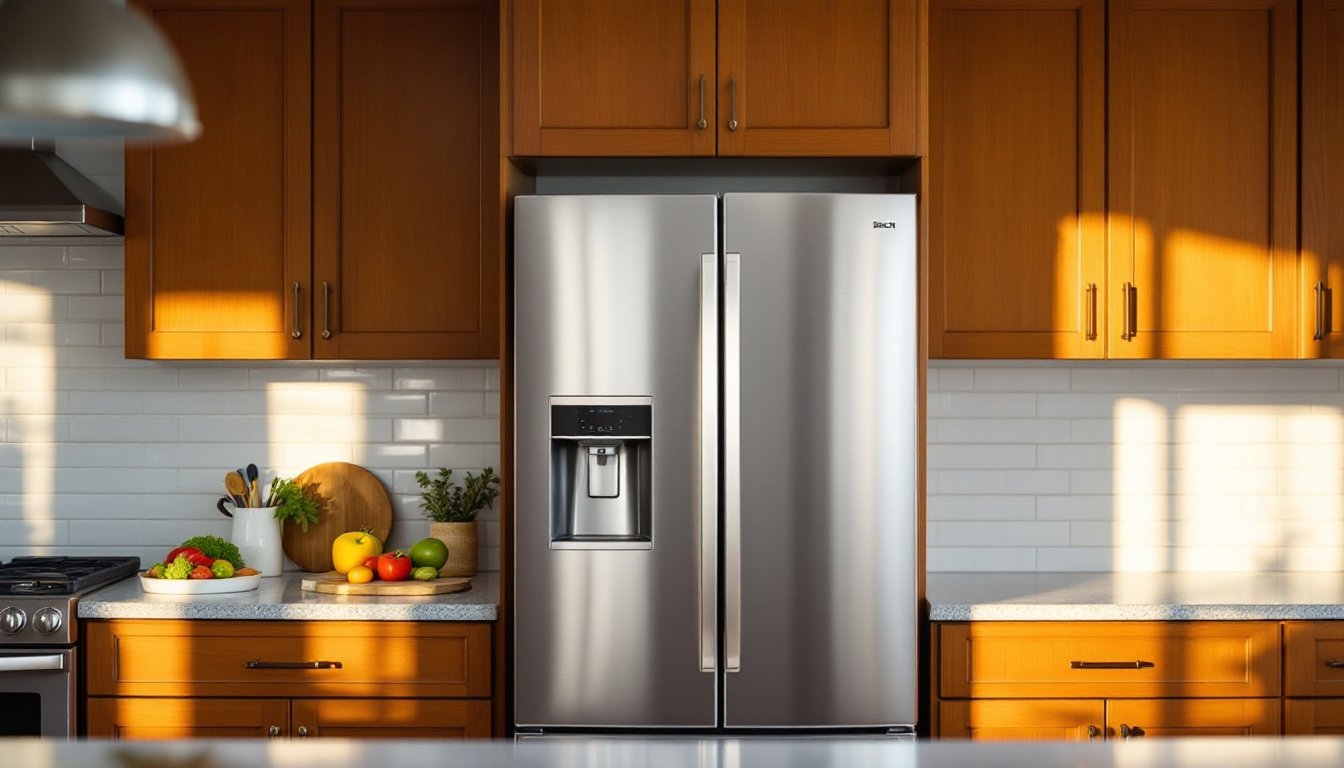
Design-wise, Bosch offers both stainless-steel and panel-ready finishes. Panel-ready models let you attach custom cabinetry-match panels, which creates a built-in look and costs less than a true integrated refrigerator if that aesthetic matters to your kitchen.
Smart Technology and Cooling Systems
Many Bosch side-by-side models come equipped with ice and water dispensers that are integrated directly into the door, not hung on a bracket. This cleaner look reduces plastic fatigue over time. You’ll need a water line run to the unit, and that requires either existing plumbing nearby or some wall opening, a job many homeowners hire out, which is worth factoring into your budget.
Temperature management is where Bosch shines. Their VitaFresh technology maintains precise humidity and cooler zones (without freezing) for produce and deli items, extending freshness by days compared to standard crisp zones. The freezer uses intelligent defrost cycles that minimize frost buildup and power consumption.
Smarter models include digital controls on the front and quiet compressors, important if your kitchen opens to living spaces. Entry-level Bosch models keep costs reasonable: you’re paying for cooling performance and durability, not smartphone connectivity or internal cameras. If those conveniences matter to you, other brands lean harder into those features, but Bosch focuses on what actually improves food preservation.
Installation and Setup Tips for Your Home
Before your Bosch arrives, measure your opening carefully. Refrigerators come in nominal dimensions (like 36 inches) that vary slightly from actual sizes: always verify the specifications sheet because a half-inch can mean the difference between a snug fit and an impossible squeeze.
Check for plumbing and electrical access. If your current fridge didn’t have a water line, you’ll need to run one from your supply line to the back of the unit, either behind the wall or through cabinetry, depending on your layout. Many building codes require that supply line to have a shutoff valve within 1 foot of the connection point: this isn’t optional if you ever need to service or move the refrigerator.
Let the unit acclimate before plugging it in. Bosch recommends 4–8 hours at room temperature if it was transported in cold weather, because coolant can settle and cause compressor damage if you power it on immediately after arrival. This step gets skipped often and isn’t dramatic, but it’s worth following the manual.
After installation, allow 2–4 hours for the compressor to cycle and reach operating temperature before loading food. Set your freezer to 0°F and fresh-food section to 37–38°F using the digital controls. Confirm temperature stability with a separate thermometer placed in the center of each zone for a full day: if readings drift more than ±2°F, contact Bosch support, it usually signals a sensor or damper issue.
Maintenance and Care for Long-Term Performance
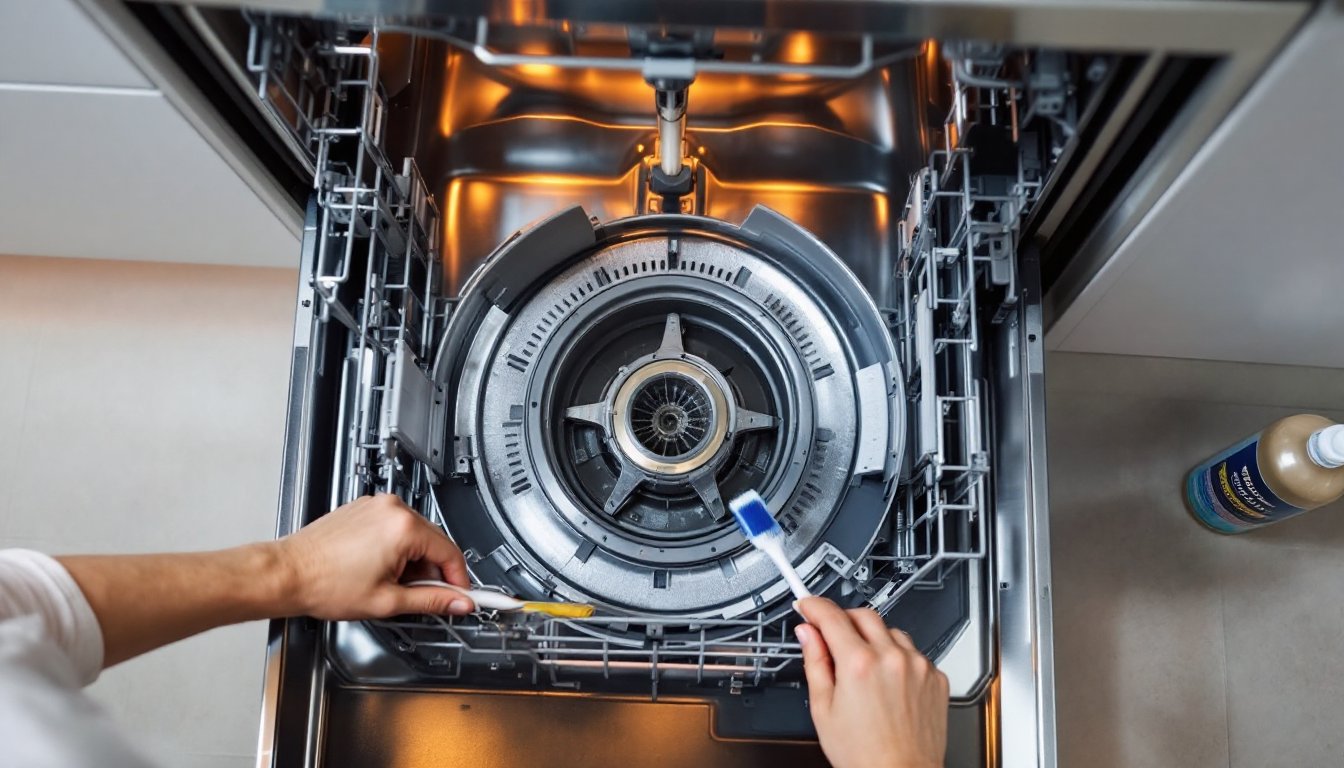
Bosch refrigerators don’t require exotic maintenance, but consistency matters. Every 6 months, vacuum the condenser coils at the back or bottom of the unit using a dry brush attachment, dust buildup forces the compressor to work harder, raising energy bills and shortening lifespan. It’s a 10-minute job that pays dividends.
The water filter (if your model has one) should be replaced every 6 months or per the manufacturer’s guidance. A clogged filter reduces water pressure and forces the dispenser to work overtime. Keep the door seals clean and dry: wipe them monthly with a soft cloth and mild soap. Cracked gaskets let cold air escape and should be replaced immediately, a $50–100 part prevents food spoilage and energy waste.
For the interior, wipe shelves and drawers quarterly to prevent odor and mold. If you notice frost accumulation inside, don’t ignore it, it signals a defrost cycle malfunction or air dam issue. Frost buildup reduces efficiency and can freeze produce against the back wall. Check that nothing is blocking air vents: many refrigerator problems stem from items accidentally placed against internal fans.
If you notice unusual noise (grinding, clicking, or repeated cycling), it’s time to call a professional. Bosch compressors are reliable, but once they start making noise, waiting usually makes repairs more expensive.
Is a Bosch Side By Side Refrigerator Right for You?
Bosch side-by-side models suit families who want solid engineering and predictable performance over flashy features. If you value quiet operation, consistent temperature management, and a refrigerator that’ll work well for 10–15 years without drama, Bosch delivers.
They’re less ideal if you need maximum fresh-food space or prefer minimal freezer storage, the even 50/50 split isn’t flexible. If deep-freezing is rare in your home, a French-door model with a smaller bottom freezer might serve you better.
Cost-wise, Bosch models sit in the mid-to-upper range: roughly $1,500–$2,500 depending on size and features. That’s higher than budget brands but lower than luxury integrated models. Factor in installation costs if plumbing is needed, and always confirm warranty details, Bosch typically covers parts and labor for 1 year, with compressor coverage extending to 5–10 years depending on the model.
Finally, visit showrooms or read independent reviews on reliable sources like Good Housekeeping’s best built-in refrigerators to compare Bosch against competitors in your size category. Real user feedback on noise levels, ease of use, and long-term reliability often reveals details specs sheets don’t. Your kitchen deserves an appliance you’ll trust for years, and Bosch generally earns that trust.