Hard water is a silent problem in millions of American homes. It leaves white deposits on faucets, makes soap less effective, and quietly wears down appliances. Calgon water softeners have been a household name for decades, promising relief from these frustrations. But does Calgon actually deliver, or is it just marketing? If you’re standing in the laundry aisle wondering whether to reach for a bottle, this guide cuts through the claims and explains how Calgon works, who should use it, and whether it’s the right solution for your home’s water quality challenges.
Table of Contents
ToggleKey Takeaways
- Calgon water softener is a chemical conditioner, not a traditional salt-based system—it binds hard minerals so they don’t form scale deposits on appliances and fixtures.
- Using Calgon protects washing machines, dishwashers, and plumbing by reducing mineral buildup that shortens appliance lifespan and can cost hundreds in repairs.
- Calgon improves detergent performance and cleaning results, making clothes softer, dishes clearer, and enabling better lather in hard water areas.
- Test your water hardness first—Calgon works best for moderately hard water (60–120 PPM), but very hard water above 200 PPM may require a whole-home water softener system.
- As a practical, low-cost solution for renters and homeowners avoiding installation hassles, Calgon conditions water only where applied (laundry and dishwashing), not throughout your entire home.
What Is Calgon and How Does It Work?
Calgon isn’t a water softener in the traditional sense, it’s a water conditioning agent that works differently from the salt-based or resin tank systems you might be picturing. Instead of removing hard minerals, Calgon contains sodium hexametaphosphate, a chemical that binds to calcium and magnesium ions in water, preventing them from forming scale deposits.
Think of it like this: hard water minerals are loose troublemakers: Calgon grabs them and keeps them contained so they can’t stick to your pipes, fixtures, and appliance interiors. The minerals don’t disappear, they’re suspended in the water and eventually drain away. This is called water conditioning, distinct from actual softening, which removes minerals entirely.
Calogn comes as a powder you add directly to your wash load (laundry version) or as additives for dishwashers. It’s not a point-of-entry system that treats all water in your home. Instead, it works where you apply it, in your washing machine or dishwasher. This makes it a supplement for specific appliances rather than a whole-home solution.
Key Benefits of Using Calgon Water Softeners
Protects Appliances and Plumbing
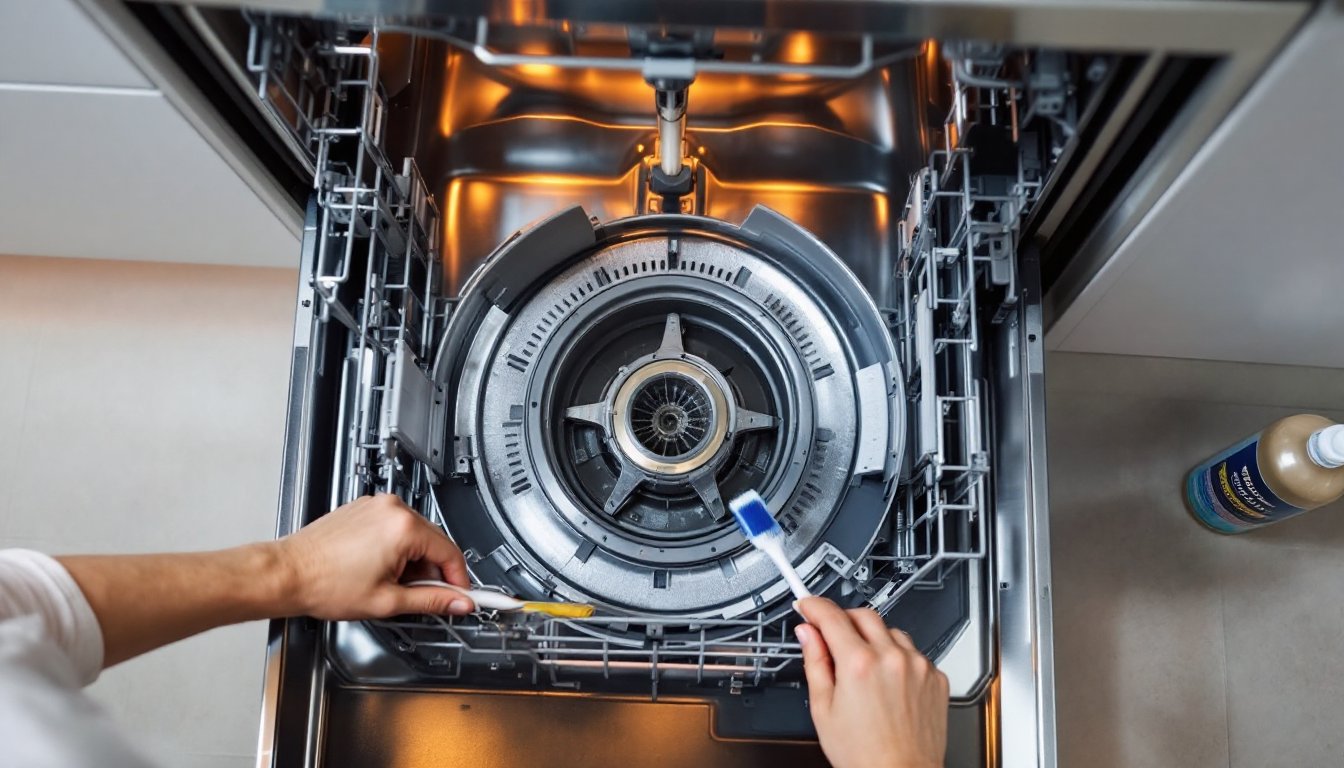
Hard water deposits accumulate inside washing machines, dishwashers, and water heaters, reducing efficiency and shortening their lifespan. Calcium and magnesium buildup is one of the leading causes of appliance failure, especially in high-hardness areas. Calgon reduces that scaling, meaning your washer heats water more efficiently and your dishwasher spray arms don’t get clogged with mineral deposits.
Plumbing and fixtures benefit too. If you’ve ever seen a crusty white coating on your showerhead or inside your faucet aerator, that’s scale. Regular Calgon use slows that buildup, keeping your fixtures running smoothly and looking cleaner longer. Over time, this preventive approach can save you hundreds in repair or replacement costs.
Improves Cleaning Power and Skin Feel
Hard water interferes with how soap and detergent work. It prevents them from fully dissolving and reacting with dirt, which is why hard water areas often need more detergent to get clothes clean. Calgon softens the water chemically, allowing your laundry detergent to perform closer to its rated capacity.
Many homeowners in hard water regions report that adding Calgon makes their clothes feel softer and look brighter. Dishes also come out clearer in the dishwasher, no more cloudy film. Also, softer water is gentler on skin during showers and baths, and some people find their hair feels less sticky when exposed to conditioned water. While results vary by water hardness level and individual preference, these quality-of-life improvements are genuine.
Types of Calgon Products Available
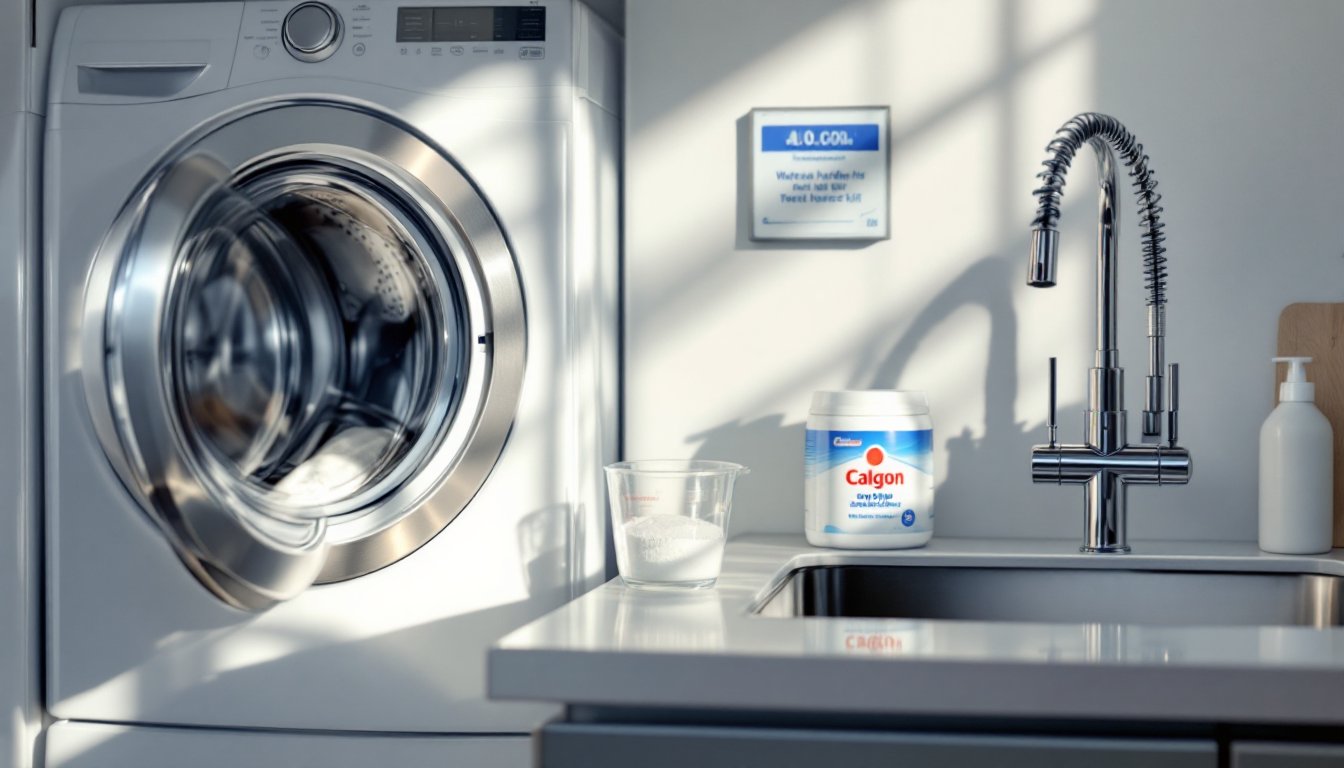
Calgon laundry water softener is the classic formulation, a white powder you scoop into the drum with your detergent. A typical bottle contains enough powder for multiple loads (check the label for hardness-dependent dosing). It’s inexpensive, widely available, and works in both standard and high-efficiency machines.
For dishwashers, Calgon dishwasher additive comes in liquid or powder form, designed to dissolve during the wash cycle. It’s less common than the laundry version but serves the same mineral-binding function for dishes and glassware.
Calogn also sells combo products that bundle their conditioning agent with detergent, offering convenience if you want an all-in-one solution. But, dedicated water softeners give you more control over dosing.
It’s worth noting that Calgon isn’t a whole-home system. If you want to condition water at the tap or shower, you’d need a point-of-use filter or cartridge system instead. For most DIY homeowners focused on laundry and dishwashing, the Calgon powder is the practical starting point.
Is Calgon Right for Your Home?
Start by testing your water hardness. You can grab an inexpensive water hardness test kit from a hardware or home improvement store, they typically cost under $20 and give you hardness in parts per million (PPM). Alternatively, many municipalities publish water hardness data online, and services like Angi provide neighborhood-level water quality insights.
If your water reads below 60 PPM, Calgon is probably unnecessary, your water is already soft. Between 60–120 PPM (moderately hard) is where Calgon shines, preventing visible scaling and keeping appliances efficient. Above 200 PPM (very hard), Calgon helps but may not fully solve the problem: a whole-home water softener from a water softening specialist might be worth considering.
Calgon makes the most sense for renters, temporary situations, or homeowners who don’t want the installation hassle of a whole-home system. It’s also a good first step, try it for a month and see if you notice cleaner dishes, softer laundry, or less buildup on fixtures. The low cost and ease of use make it a low-risk experiment.
Be realistic about its limitations. Calgon conditions water in your appliance: it won’t stop deposits forming in your kettles or reduce scale in your shower. For serious hard water problems, especially if you’re considering a long-term investment, consult water softening resources on HomeAdvisor or contact a local water treatment professional to compare full-system options.
If you’re also dealing with other water quality issues, iron staining, cloudiness, or odor, Calgon alone won’t address those. You may need filtration alongside conditioning. Real Simple’s guides on household cleaning and water care can help you troubleshoot broader water issues.
Conclusion
Calgon water softeners work as advertised for what they’re designed to do: condition water in appliances and improve detergent performance. They won’t replace a whole-home system for severe hard water, but they’re affordable, easy to use, and effective for preventing scale buildup in your washer and dishwasher. Test your water hardness first, set realistic expectations, and decide whether supplemental conditioning fits your needs. For many homeowners, a bottle of Calgon is exactly the practical solution they’ve been looking for.