
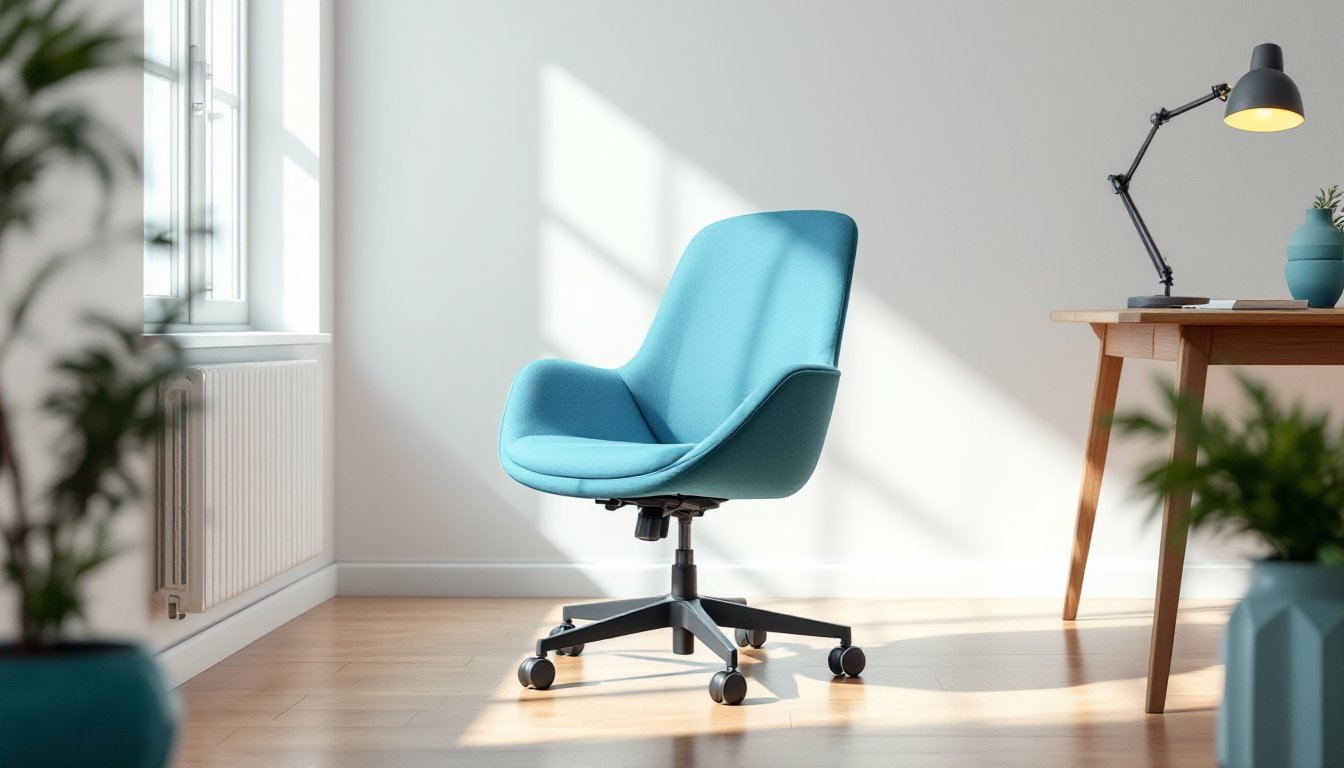
A blue office chair isn’t just a place to sit, it’s a statement piece that can anchor your entire home workspace. Whether you’re setting up a dedicated office, carving out a corner of the bedroom, or claiming a spot at the kitchen table, the right blue office chair combines comfort, aesthetics, and function. The color blue itself has been shown to enhance focus and calm, making it ideal for environments where concentration matters. This guide walks you through finding the perfect blue office chair for your space, understanding what makes one actually comfortable versus just looking good, and styling it so your workspace feels intentional rather than an afterthought.
Table of Contents
ToggleKey Takeaways
- A blue office chair combines comfort, aesthetics, and function while enhancing focus and calm in your workspace.
- Different shades of blue serve different purposes: navy for formal settings, teal for creative spaces, and sky blue for rooms needing more light reflection.
- Prioritize ergonomic features like lumbar support, proper height range (17–21 inches), adjustable armrests, and quality casters to prevent discomfort and injury during long workdays.
- Mid-range blue office chairs ($300–$500) offer the best value with genuine support and durability lasting 3–5 years, while models under $200 often cut corners on essential components.
- Style your blue office chair cohesively by coordinating it with wall color, desk material, and decor accents, and position it near natural light or task lighting to maximize its visual impact.
- Buy during seasonal sales (late August or January), check return policies for at least 30 days, and consider refurbished options to save 20–30% without sacrificing quality.
Why Blue Office Chairs Are Perfect for Home Workspaces
Blue is the office color for a reason. It’s professional without being cold, calming without being boring. Unlike neutrals that disappear into the background or bold colors that demand constant attention, blue strikes a balance that works for video calls, creative sessions, and eight-hour work marathons alike.
From a design standpoint, blue is remarkably flexible. It pairs with wood tones, metal accents, glass surfaces, and light walls equally well. You’re not locked into a narrow aesthetic, whether your workspace leans minimalist, eclectic, or traditional, a well-chosen blue chair reinforces rather than clashes with your style.
The practical advantage shouldn’t be overlooked either. Blue fabric tends to hide wear patterns and dust better than lighter colors, which matters if you’re someone who actually uses your chair rather than keeps it pristine. It also masks the occasional coffee splash or pen mark that inevitably happens in a working environment.
Benefits of Different Shades of Blue
Not all blues are the same, and the shade you choose shapes how your workspace feels. Navy blue reads as formal and grounded, think executive desk energy. It’s the safest bet if your workspace doubles as a client-meeting zone or if you simply prefer a no-nonsense vibe. Navy absorbs light, so it works better in rooms with natural window light.
Teal and peacock blues inject personality and energy. These jewel tones suggest creativity without looking unprofessional. They’re ideal if your workspace is more private, a home office where client calls happen via screen, not in person. Teal pairs beautifully with warm wood and brass accents.
Sky blue and powder blue feel lighter and airier. They work well in smaller spaces or rooms that lack natural light because they reflect rather than absorb illumination. The tradeoff: they show dirt more easily, so you’ll want fabric that’s treated for stain resistance.
Slate blue and muted blue-grays occupy a middle ground, professional enough for video calls, distinctive enough that your workspace feels intentional. These are the “Goldilocks” shades if you’re torn between bold and subtle.
Key Features to Look for in a Quality Blue Office Chair
Looks matter, but comfort is non-negotiable. You’re going to spend 6–8 hours a day in this chair, and a beautiful chair that triggers back pain after two weeks is a $300 mistake.
First, check the base and casters. A five-point base with smooth-rolling casters (ideally rated for your flooring type, hard plastic wheels for carpet, soft wheels for hardwood) keeps the chair stable and mobile. Budget chairs often skimp here, and squeaky, sticky wheels will drive you crazy within a month.
The height range matters more than you’d think. Your feet should rest flat on the floor with your knees at roughly 90 degrees when seated. If a chair’s minimum height is too high, you’ll dangle your feet, which tanks posture. Conversely, if maximum height is too low, tall users will find themselves hunched. Check the specs, most office chairs range from 17 to 21 inches in seat height, but variations exist.
Armrests should be optional or adjustable. Fixed armrests lock you into one working position, which doesn’t work if you’re typing at a desk one hour and taking video calls the next. Adjustable or removable armrests give you flexibility.
Ergonomics and Comfort Considerations
Lumbar support is the difference between a chair that supports an 8-hour workday and one that leaves you sore by lunch. Look for a contoured backrest that matches the natural curve of your spine, or a lumbar adjustment knob that lets you dial in the support. This isn’t luxury, it’s injury prevention.
Seat depth and width affect how the chair performs for different body types. A seat that’s too deep pushes your thighs into the edge, cutting off circulation. Too shallow, and you’re perched rather than supported. Standard office chair seats are 16–18 inches deep: test if possible, especially if you’re ordering online.
Cushioning density determines comfort longevity. A chair with thin, soft foam feels plush at first but compresses flat within months. Medium-density foam (around 2.2–2.8 lb/cu ft) holds up better for full-time use. Budget models sometimes use low-grade foam that flattens faster.
The recline mechanism should be smooth and hold your preferred angle without constantly creeping back or snapping forward. A tension knob lets you adjust how much force is needed to recline, which matters if you’re much heavier or lighter than average.
Don’t overlook material durability. Blue office chairs come in fabric, mesh, or vinyl. Fabric (typically polyester or cotton-blend) is soft and professional-looking but absorbs dust and liquids. Mesh breathes better on hot days but feels cold to the touch in winter. Vinyl is easy to wipe clean, ideal if you eat at your desk, but can feel cheap and isn’t as breathable. Whichever you choose, check if the material is treated for stain resistance.
Styling Your Blue Office Chair Within Your Workspace
Your blue chair is just one piece of the puzzle. The way it relates to your desk, lighting, walls, and accessories determines whether your workspace feels cohesive or accidental.
Wall color sets the stage. If your walls are white or off-white, a rich blue chair stands out and becomes a focal point, in a good way. If walls are already a warm beige or light gray, a complementary blue anchor works beautifully. Avoid placing a bright teal chair in front of teal-painted walls unless you’re deliberately going monochromatic for a zen vibe.
Desk material influences style balance. A blue chair paired with a natural wood or walnut desk creates warmth and richness, this combination reads as intentional and inviting. Pair the same chair with a sleek metal-and-glass desk, and it becomes modern and crisp. Over a light oak or pale wood, a navy or slate blue feels sophisticated.
Your storage and decor should echo the workspace’s color palette without overwhelming it. If your chair is teal, pull that teal into a throw pillow on a nearby shelf, a desk organizer, or a piece of wall art. This ties the room together and shows that your blue chair choice was deliberate. You don’t need matching sets, just thoughtful echoes.
Lighting shouldn’t be forgotten. A chair in a dim corner looks sad. Position your blue office chair near a window if possible, or add a task light above or beside your desk. Good lighting makes any workspace feel larger and more professional, and it shows off your chair’s color accurately.
For inspiration on integrating furniture and decor cohesively, home design resources can help you browse real spaces and gather ideas that resonate with your style. If you’re on a tight budget and open to customization, IKEA furniture hacks show creative ways to adapt affordable pieces into something uniquely yours.
Budget-Friendly Tips for Finding the Perfect Blue Office Chair
Quality office chairs range from $150 to $1,200+. You don’t need to spend like you’re furnishing a law firm, but the cheapest options on marketplace sites often cut corners on casters, base materials, and cushioning density.
Set a realistic budget first. A solid mid-range chair ($300–$500) typically offers genuine lumbar support, quality casters, and materials that last 3–5 years of regular use. Below $200, you’re risking flimsy bases and foam that compresses fast. Beyond $800, you’re often paying for brand prestige rather than proportional durability gains.
Buy refurbished or open-box stock. Office furniture retailers and marketplaces often discount chairs with minor cosmetic scratches or from returned orders. A fully functional chair with a small imperfection on the back costs 20–30% less than new.
Prioritize what matters most to you. If you’re tall, splurge on height range. If you have lower back pain, invest in lumbar support. If durability is your concern, pay extra for quality casters and dense foam. You don’t need all premium features, pick two or three non-negotiables and let others flex.
Check return policies closely. Buy from retailers that allow 30+ day returns, even if the chair costs slightly more. A chair that feels wrong after a week is worthless, and a good return window removes the guesswork.
Seasonal sales matter. Office furniture typically goes on sale after back-to-school season (late August) and again after January when offices refresh. If you can wait, patience saves real money.
When researching specific models, platforms like premium blue office chairs available online let you see what’s currently available, read customer feedback on comfort and durability, and compare prices. Read the reviews skeptically, look for comments on long-term comfort, not just “it looks nice.”
Conclusion
Choosing a blue office chair is simpler than it feels when you focus on the fundamentals: color shade that matches your space, ergonomic features that suit your body and work style, quality construction in the base and casters, and a budget that balances cost with durability. Your workspace deserves a chair that works as hard as you do. A thoughtfully chosen blue office chair becomes the foundation for a home workspace that’s both functional and genuinely pleasant to spend eight hours in.