A Bosch dishwasher is built to last, but like any appliance, things go wrong. Water backs up, a cycle won’t start, dishes come out spotty, or you hear grinding sounds that make you wonder if the whole unit is about to explode. Before you call a repair technician at $150 an hour, try diagnosing the problem yourself. Most common Bosch dishwasher issues boil down to clogged filters, tripped door latches, or settings hiccups, fixes you can handle with basic tools and thirty minutes of your time. This guide walks through the troubleshooting steps for the problems homeowners encounter most, plus when it’s time to call in a pro.
Table of Contents
ToggleKey Takeaways
- Bosch dishwasher troubleshooting begins with simple fixes like cleaning the drain filter, checking the door latch, and inspecting hoses—most common issues require only basic tools and 30 minutes.
- If water won’t drain, unclog the drain filter and inspect the drain hose for kinks or blockages before calling a technician; a straightened wire or plumbing snake can clear many clogs.
- When dishes aren’t getting clean, check for overloading, verify proper detergent and rinse aid amounts for your water hardness, and clear spray arm nozzles of mineral deposits and food debris.
- Unusual noises like grinding or squealing may indicate a failing pump motor or foreign object jamming the pump—remove visible debris and listen carefully to pinpoint the sound source.
- External leaks from the door gasket and leaks from underneath (loose hose connections or cracked pump) require inspection, tightening, or part replacement—test any repair before pushing the unit back in place.
- Power and startup problems often stem from tripped breakers, misaligned door latches, or control board issues; a 30-second power reset may resolve cycling problems without professional service.
Water Isn’t Draining Properly
A dishwasher pooling water at the bottom is a red flag. Water should drain completely after the wash and rinse cycles finish. If it doesn’t, your dishes won’t dry properly and mold can develop.
Check and Clean the Drain Filter
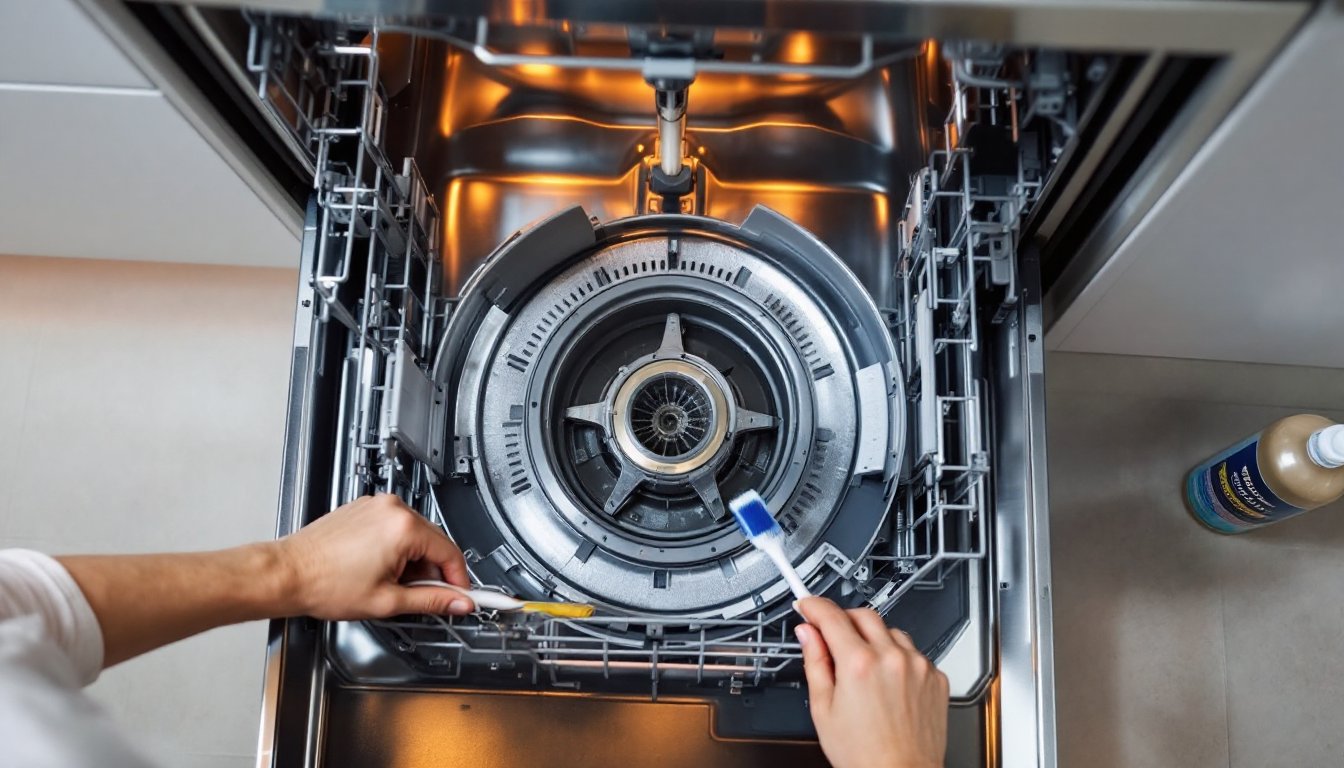
Start here, it’s the most common culprit. Every Bosch dishwasher has a drain filter (usually a cylindrical screen) located at the base of the tub. Debris like food scraps, broken glass, and hard water deposits accumulate over time and restrict flow.
- Turn off the dishwasher and shut off its water supply valve under the sink (turn the valve clockwise).
- Open the door fully and remove the bottom rack.
- Look at the center of the tub floor. You’ll see a cylindrical filter assembly, often with a handle or knob on top.
- Rotate the handle counterclockwise to release it, then lift straight up.
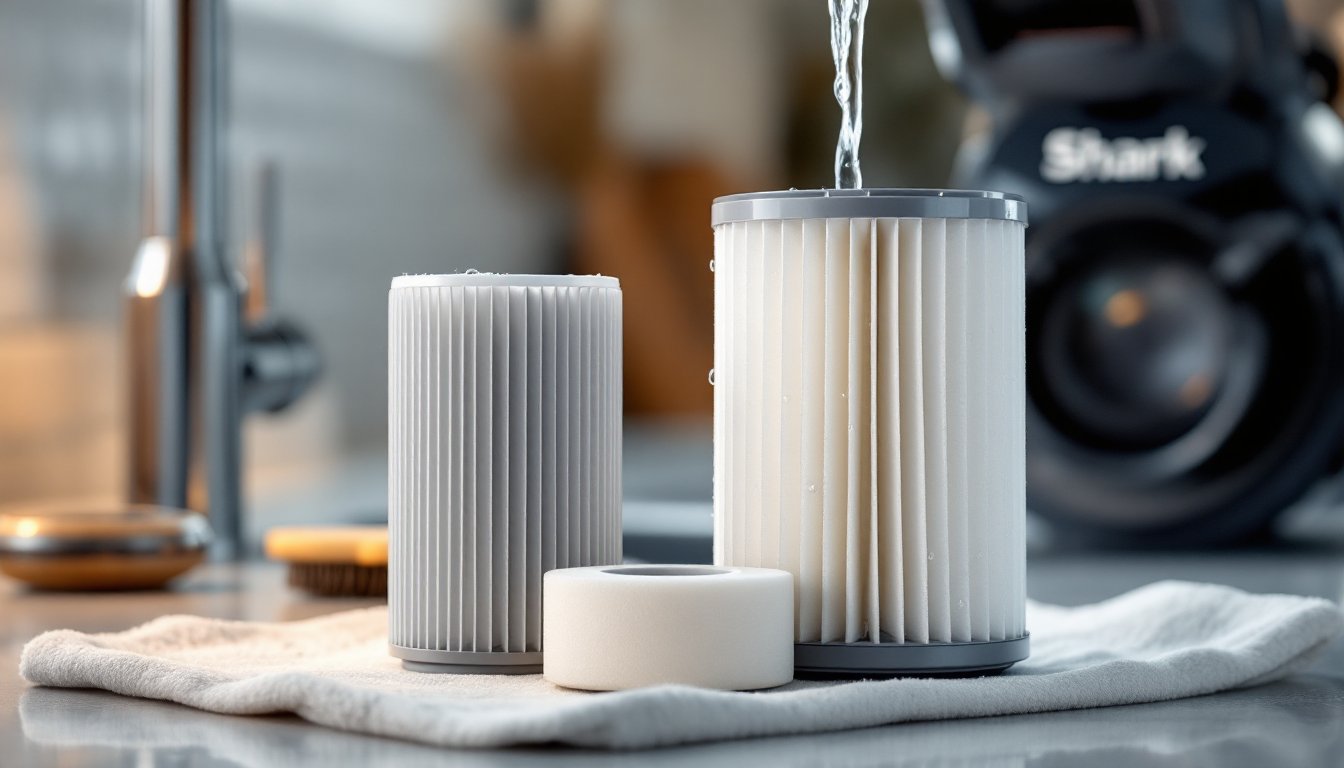
- Rinse the filter under warm running water. Use a soft brush or old toothbrush to scrub away gunk.
- If mineral deposits are stubborn, soak the filter in white vinegar for 15 minutes, then scrub again.
- Check the filter housing below (the cavity where the filter sits). Pick out any debris or food particles by hand or with needle-nose pliers.
- Reinstall the filter by aligning it, dropping it into the housing, and rotating the handle clockwise until snug. Don’t overtighten.
Run a test cycle with nothing inside. If water still pools, move to the next step.
Inspect the Drain Pump and Hose
The drain pump (a small motor at the bottom of the dishwasher) forces water out through the drain hose, a flexible tube that connects to your home’s plumbing or sink strainer. A clogged or kinked hose blocks drainage entirely.
- Turn off water and power. Unplug the dishwasher or switch off its breaker.
- Pull the dishwasher away from the counter. You’ll see the drain hose connected to the back, it’s usually ribbed, plastic tubing, about an inch in diameter.
- Follow the hose to where it connects to your sink’s drain or garbage disposal. If the hose loops up into the sink cabinet, check for kinks or crushing. Straighten any bends.
- Disconnect the hose at both ends (you may need a small adjustable wrench to loosen hose clamps). Water may spill: have a towel ready.
- Hold the hose up to a light and look through it. Shine a flashlight inside. You should see light on the other end. If not, it’s clogged.
- For a clogged hose, run warm water through it from the sink side. If that doesn’t clear it, feed a plastic plumbing snake or straightened wire coat hanger through to dislodge the blockage.
- Reconnect the hose securely. Ensure it’s not kinked and has a slight upward slope toward the drain to prevent siphoning.
Reconnect power and water, then run a test cycle. If water still won’t drain, the drain pump itself may be faulty, that’s a job for a licensed technician.
Dishwasher Won’t Start or Power On
A dishwasher that doesn’t turn on falls into two categories: no power at all, or power but no cycle. Start with the simplest checks.
Power issues first. Make sure the unit is plugged in (if it’s a portable or undercounter model with a cord). Check the circuit breaker. If the breaker for the dishwasher is tripped, switch it off fully, then back on. If it trips again immediately, there’s an electrical fault, stop and call an electrician.
Check the door latch. Built-in Bosch dishwashers have a safety latch that prevents operation if the door isn’t fully closed. Open the door and listen for a click when you press it shut firmly. If you don’t hear it, the latch may be bent or broken. Inspect the latch mechanism on both the door and the frame for debris, and wipe them clean with a damp cloth. Try closing the door again with a confident push, not a gentle swing.
Look at the control panel. If the display is dark and the buttons don’t light up, there’s no power to the unit. Verify the outlet works by plugging in another appliance (a phone charger, for example). If the outlet is dead, you’ve got a wiring or breaker issue. If the outlet works and the dishwasher still won’t power up, the internal power module may have failed, that requires professional repair.
Cycle won’t start even though power. The control board may need a reset. Unplug the dishwasher for 30 seconds, then plug it back in. Select a cycle and press start. Some models have a dedicated reset button: check your manual. If this doesn’t work and the door latch clicks, a faulty control board or start button is likely, call a technician.
Dishes Aren’t Getting Clean
Spotty, cloudy, or food-residue-covered dishes after a cycle are frustrating but often fixable. Before assuming the dishwasher is broken, rule out operator error.
Overloading is a silent killer. Bosch dishwashers are efficient, but they’re not magic. Crowding dishes so spray arms can’t reach them, or stacking bowls face-down so water pools underneath, sabotages cleaning. Load dishes facing inward and downward (concave side down for bowls and cups). Leave space between items. Don’t block the spray arms, they rotate freely and spray high-pressure water. Check your manual for the loading diagram: follow it exactly.
Detergent and rinse aid matter. Use the correct amount of detergent for your water hardness. Hard water (common in many regions) requires more detergent or a different formula. If you’re using pods, ensure you’re dropping them in the main dispenser, not the prewash compartment. Rinse aid helps water sheet off dishes during the dry cycle, preventing spots. Most Bosch dishwashers have a rinse aid dispenser at the top left of the interior. Fill it (it holds enough for multiple cycles) and adjust the setting on the dial from 1 to 7 based on your water hardness. If your water is very hard, start at 5 or 6.
Check spray arm nozzles. Food and mineral deposits clog the tiny spray holes on the lower and upper spray arms. Remove the lower rack to access the lower spray arm. Some rotate off counterclockwise: others are fixed. Use a straightened paperclip or thin wire to poke out debris from each nozzle. Do the same for the upper spray arm (access it by tilting it down). Run water through them by hand to confirm spray returns.
Run a cleaning cycle. Hard water minerals build up inside the pump and lines. Pour a commercial dishwasher cleaner (brands like Bosch or Finish make specific products) into an empty tub and run a hot cycle. Repeat monthly if your water is hard. Many homeowners see dramatic improvements with regular cleaning.
Strange Noises During Operation
Grinding, squealing, or rattling sounds during a cycle warrant investigation. Some noises are normal (the pump is loud, spray arms spinning can rattle), but others signal trouble.
Grinding or squealing usually indicates a failing pump motor or foreign object jamming the pump. First, stop the cycle (press the start button or open the door to pause). Listen carefully during the pump-out phase to pinpoint where the sound originates. Open the door and look at the spray arms, remove any visible debris (broken dishware shards, utensils, or packing materials). Feel around the filter housing carefully. A small piece of glass or a plastic twist-tie jammed against the impeller (the spinning part inside the pump) creates noise and can burn out the motor. Remove anything you find.
Rattling or clattering, especially during the wash phase, often comes from loose racks or the door bumping slightly. Bosch racks have adjustment mechanisms: if yours doesn’t roll smoothly, the wheels may be misaligned or clogged. Remove the racks and wipe the wheel tracks and wheels clean. Realign and reinstall them, ensuring they sit fully in the guides and roll without resistance.
Whistling or whining is usually the pump working normally, especially on hot-water cycles. But, if the sound is new or accompanied by power issues, the pump may be failing. If you’ve eliminated foreign objects and the noise persists, or if noise gets louder over time, the pump or motor likely needs replacement by a professional, this isn’t a DIY repair for most homeowners.
Leaking Water Underneath or Around the Unit
Water pooling under your dishwasher is a serious issue. Even small leaks cause mold, cabinet rot, and subfloor damage if ignored. Identify the source before water ruins your kitchen.
External leaks (from the sides or door). If water drips from the door seal or along the edges, the door gasket (rubber seal) may be worn or displaced. Open the door and inspect the seal all the way around. Look for cracks, hardening, or sections pushed out of the groove. Wipe the gasket and its channel clean, dried food and mineral deposits sometimes simulate a bad seal. If the gasket is clearly damaged, it needs replacement (a $40–$80 part, plus an hour of labor if you call a technician: DIY replacement is straightforward with a screwdriver, consult your manual).
Water leaking from the door during operation also indicates the door isn’t latching fully. Ensure the hinges aren’t bent and the latch mechanism engages with an audible click. If the door frame is warped, the dishwasher may need professional realignment.
Leaks from underneath. Water dripping from the base of the unit suggests a crack in the pump or a loose hose connection. Pull the dishwasher out carefully. Inspect all hose connections at the pump, inlet valve, and drain. Tighten any loose hose clamps with a screwdriver or wrench. Look at the pump housing (a hard plastic or metal component at the base) for visible cracks. If a hose or the pump is cracked, it must be replaced. Inlet and drain hoses are relatively inexpensive ($20–$50) and possible DIY repairs if you’re comfortable disconnecting and reconnecting them, but pump replacement requires partial dishwasher disassembly and is better left to a pro.
Test after any repair. Run a short cycle and check underneath for moisture before pushing the unit back into place. If leaking persists, stop using the dishwasher until a technician inspects it, continuing to run it will cause water damage.