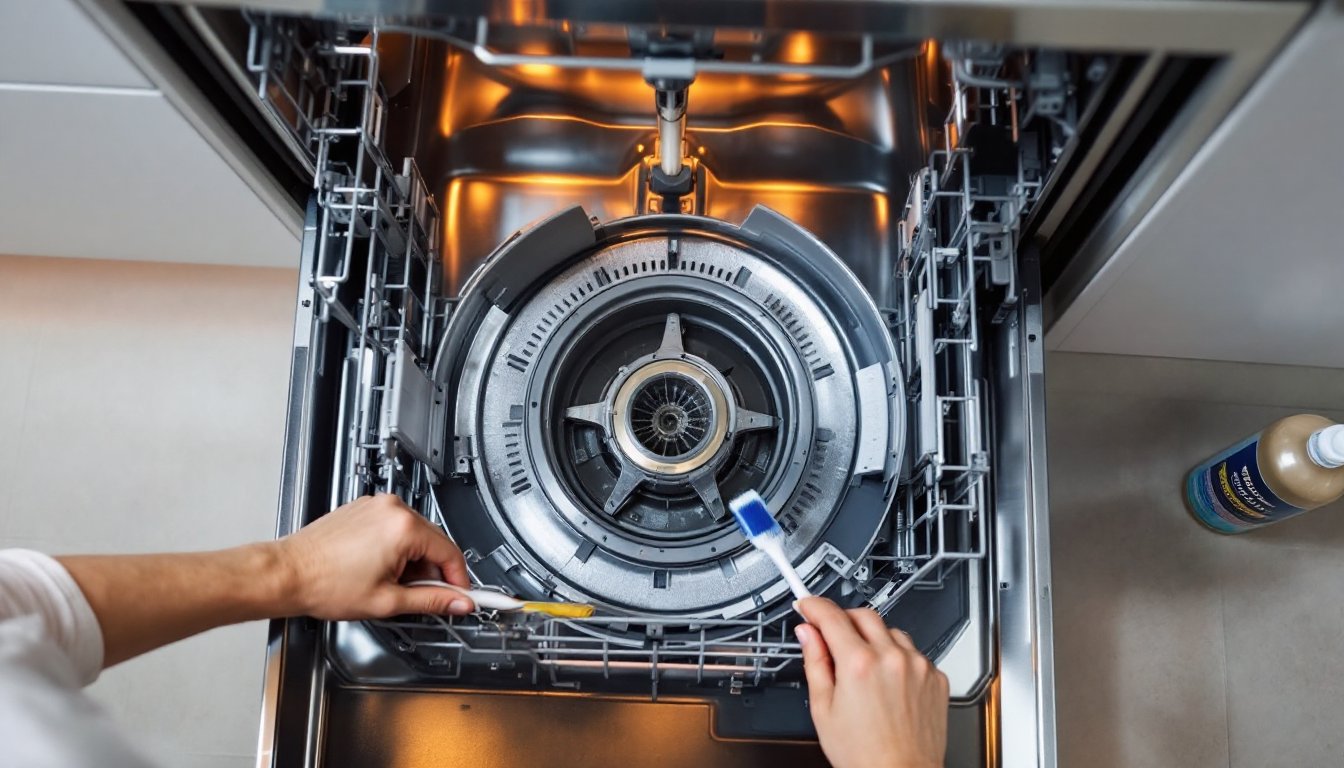

A clean kitchen isn’t just a happy kitchen; it’s a safe haven for culinary adventures. Picture this: you whip up a gourmet meal only to discover last week’s spaghetti sauce lurking in the corner like an unwanted guest. Yikes! Keeping a kitchen spotless and sanitized is crucial not just for aesthetics but also for health. After all, no one wants to serve up a side of bacteria with their famous lasagna.
Table of Contents
ToggleImportance of Cleaning and Sanitizing Home Kitchens
A clean kitchen prevents the spread of harmful bacteria and pathogens. Keeping surfaces clean reduces the risk of foodborne illnesses, which affect millions each year. Regular cleaning removes debris, allergens, and grime that accumulate during meal preparation.
Sanitizing surfaces goes beyond simple cleaning; it ensures harmful microorganisms do not linger. Most germs thrive in warm, moist environments typically found in kitchens. Implementing a routine that includes sanitizing countertops, sinks, and utensils minimizes health risks significantly.
Organizing kitchen items contributes to a cleaner environment. Clutter can hide food remnants and spills, promoting cross-contamination. It’s essential to store food properly in sealed containers, which helps prevent spoilage and pest infestations.
Efficiency in cooking increases with a clean kitchen. An organized space allows for easier access to necessary tools and ingredients, enabling quicker meal preparation. Maintaining cleanliness also enhances the overall cooking experience, making it more enjoyable.
Regular cleaning fosters a positive atmosphere. A tidy kitchen invites creativity and innovation during cooking. Guests often judge a household’s hygiene standards based on the kitchen’s condition, impacting social gatherings.
A clean and sanitized kitchen lays the groundwork for safe and pleasant cooking. Prioritizing cleanliness ensures food safety and supports an enjoyable culinary environment, ultimately leading to better health outcomes for everyone.
Key Areas to Focus On
Focusing on key areas during kitchen cleaning and sanitizing significantly enhances overall hygiene and safety. Prioritize the following sections to create a pristine cooking environment.
Countertops and Surfaces
Countertops and surfaces gather crumbs, spills, and bacteria daily. Use a suitable cleaner to wipe down these areas, removing any food remnants. Concentrate on high-touch spaces, like handles and knobs, during this process. After cleaning, apply a sanitizer to eliminate lingering germs effectively. Maintain a routine of regular upkeep to ensure these surfaces remain safe for food preparation.
Appliances and Utensils
Appliances and utensils harbor dirt and bacteria, necessitating frequent attention. Clean the exterior of appliances, focusing on splatters and stains, using a gentle cleanser. Inside, dishwashers and microwaves also require periodic deep cleaning to prevent odor and residue buildup. Ensure utensils, especially cutting boards and knives, are washed and sanitized after each use. Consistency in this area leads to a safer cooking experience.
Floors and Walls
Floors and walls often go unnoticed but can harbor dust and spills. Sweep and mop floors regularly to eliminate debris and potential allergens. Pay special attention to corners and behind appliances, where grime can accumulate. Walls, especially near food prep areas, require a quick wipe down to remove splatters. Regular maintenance of these surfaces promotes a clean, inviting kitchen atmosphere.
Recommended Cleaning Products
Using the right cleaning products enhances kitchen hygiene. A combination of natural and commercial solutions provides a comprehensive approach to cleanliness and sanitation.
Natural Cleaners
Baking soda serves as an effective abrasive cleaner for tough stains. Vinegar acts as a natural disinfectant that tackles grime and cuts grease. Lemons offer antibacterial properties and a fresh scent, making them great for deodorizing spaces. Essential oils add pleasant aromas and can enhance cleaning solutions with their antimicrobial benefits. Hydrogen peroxide provides additional sanitizing power, killing bacteria on surfaces. Opting for these natural alternatives reduces chemical exposure while maintaining a clean kitchen environment.
Commercial Sanitation Solutions
Commercial cleaners include products designed for efficient sanitation in kitchens. Multi-surface cleaners simplify the cleaning process by eliminating a variety of grime types. Disinfectant sprays target high-touch areas and provide a quick sanitizing solution. Sanitizing wipes offer convenience, ready to use for quick clean-ups on surfaces and appliances. Dishwasher detergents ensure that utensils and dishes receive thorough cleaning and sanitation during cycles. These products effectively reduce pathogens and help maintain a safe cooking space.
Step-by-Step Cleaning Guide
A systematic approach to cleaning ensures that every aspect of the kitchen receives attention. This section provides guidance on daily cleaning routines and deep cleaning checklists to maintain a hygienic environment.
Daily Cleaning Routine
Establishing a daily cleaning routine keeps kitchens in order. Wipe down countertops and high-touch surfaces with an appropriate cleanser after each use. Rinsing dishes and loading the dishwasher promptly prevents buildup. Sweep or vacuum floors to collect crumbs or debris at the end of the day. Consistently checking for spills and addressing them immediately eliminates potential hazards. Finally, take a few moments to organize items, ensuring easy access to tools and ingredients while reducing clutter.
Deep Cleaning Checklist
Performing deep cleaning periodically boosts kitchen hygiene. Start with appliances, such as the oven and refrigerator, focusing on both interiors and exteriors. Descale the coffee maker and clean the microwave to avoid residue buildup. Scrub sinks thoroughly and ensure that disposal areas remain free of food particles. Don’t neglect cabinets and drawers; remove items and wipe surfaces regularly. Floors require special attention, so mop thoroughly after sweeping to eliminate grime. Cold sanitary standards demand this level of deep cleaning every few weeks, depending on usage.
Maintaining a clean and sanitized kitchen is vital for health and safety. Regular cleaning routines and effective sanitizing practices not only protect against harmful bacteria but also create an inviting space for cooking and entertaining. By organizing kitchen items and focusing on high-touch areas, individuals can significantly reduce the risk of foodborne illnesses and enhance their cooking experience.
Utilizing the right cleaning products—both natural and commercial—empowers homeowners to achieve optimal hygiene standards. A systematic approach to cleaning ensures that every corner receives attention, fostering a kitchen environment that promotes creativity and well-being. Prioritizing cleanliness in the kitchen ultimately leads to healthier meals and a more enjoyable cooking atmosphere for everyone.