Maintaining a humidifier doesn’t have to be a chore that keeps you tied to tedious hand-scrubbing sessions. A dishwasher safe humidifier changes the game by letting you toss removable parts into your dishwasher, saving you time and ensuring thorough cleaning. Whether you’re battling dry winter air in your bedroom or managing humidity levels throughout your home, choosing a humidifier designed for easy maintenance means less hassle and more consistent performance. This guide walks you through what makes a dishwasher safe humidifier worth the investment, which features matter most, and how to keep your unit running like new.
Table of Contents
ToggleKey Takeaways
- A dishwasher safe humidifier reduces cleaning time from 20 minutes to just 2 minutes by letting you load removable parts into your dishwasher instead of hand-scrubbing.
- Dishwasher cleaning effectively removes mineral deposits, mold, and bacteria that accumulate on tanks and nozzles, significantly improving mist output and unit performance.
- Look for high-quality plastic materials like polypropylene (PP) or polyethylene terephthalate (PET) that withstand repeated dishwasher cycles without warping or clouding.
- Ultrasonic models offer superior convenience for dishwasher safe humidifiers since their simple design allows complete disassembly with no filters to clog, though they require distilled water to prevent mineral dust.
- Clean your dishwasher safe humidifier every 3 to 5 days during peak use by placing removable parts on the top dishwasher rack, and hand-wipe the base to prevent electrical corrosion.
Why Dishwasher Safe Humidifiers Matter for Home Maintenance
Most humidifiers accumulate mineral deposits, mold, and bacterial growth if you skip regular cleaning. Hand-washing every tank, filter, and basin gets old fast, especially when you’re already juggling a busy household. A dishwasher safe humidifier lets you load the removable components into your machine, where hot water and detergent do the heavy lifting.
Mineral buildup is the silent killer of humidifier performance. Hard water leaves white, crusty deposits inside tanks and on misting nozzles, forcing your unit to work harder and reducing output. Regular dishwasher cleaning dissolves these minerals far more effectively than manual scrubbing, plus the consistent water temperature and soap action kill mold spores that hide in crevices. The result: better mist output, fewer odors, and a healthier unit overall.
Consider maintenance frequency too. Most manufacturers recommend cleaning humidifiers every 3 to 5 days during peak use seasons. If your cleaning routine takes 20 minutes by hand, switching to a dishwasher-compatible model cuts that time to 2 minutes of disassembly and loading. Over a winter season, that’s hours reclaimed.
Key Features to Look For in a Dishwasher Safe Humidifier
Not all humidifiers are created equal when it comes to dishwasher compatibility. Look beyond the marketing label and inspect what actually goes in the machine.
Plastic tank material matters most. High-quality polypropylene (PP) or polyethylene terephthalate (PET) plastics tolerate dishwasher temperatures without warping or clouding. Cheap plastics may say “dishwasher safe” but crack after a few cycles. When shopping, check product reviews specifically mentioning durability after multiple dishwasher runs.
Capacity ties directly to cleaning convenience. A 2.0-liter to 3.5-liter tank keeps you refilling every 1 to 2 days during heavy use, whereas a 4.0-liter or larger tank means fewer fills and less frequent cleaning sessions overall. Larger tanks also reduce the frequency you’ll be pulling the unit apart.
The water level indicator window should be dishwasher-safe and transparent after repeated cycles. Some designs have glued-on indicators that fog up or peel away: avoid those. A properly integrated window stays clear and functional.
Also confirm the power base or humidistat isn’t advertised as dishwasher safe, these stay out of the machine, obviously. Only removable parts like tanks, lids, nozzles, and some filter cartridges should go in. A good manufacturer clearly marks which pieces are machine-safe with labels or a manual diagram.
Removable Parts and Easy Disassembly
The ease of taking a humidifier apart directly impacts whether you’ll actually maintain it. Look for designs where all moisture-contact parts come out without tools or complicated steps.
Good dishwasher safe designs use quick-snap lids that twist or pop off without fumbling, tanks that slide out of the base with one hand, and nozzle caps that unscrew by fingers alone. You should disassemble and reassemble the unit in under two minutes.
Avoid models where the tank and basin are fused together, where filters require a wrench to remove, or where the wick or cartridge sits in an awkward spot requiring you to reach into tight crevices. Those designs defeat the entire purpose of owning a dishwasher safe humidifier.
Check user reviews on sites like Good Housekeeping for feedback on assembly complexity and whether parts actually fit back together smoothly after washing. A humidifier that’s easy to take apart is one you’ll actually use and maintain.
Types of Dishwasher Safe Humidifiers Available
Two main humidifier styles dominate the dishwasher-safe category: ultrasonic and evaporative models. Each has trade-offs worth understanding before you buy.
Ultrasonic humidifiers use a vibrating diaphragm to break water into fine mist particles. They’re quieter, energy-efficient, and work well in bedrooms where silence matters. Many high-end ultrasonic models emphasize dishwasher-compatible tanks and basins because they’re purely mechanical, no filters to clog or wicks to rot. But, they can leave white mineral dust in the room if you don’t use distilled water, and the mist output drops if mineral buildup occurs on the oscillator. This is where regular dishwasher cleaning really earns its value.
Evaporative humidifiers pull air through a moistened wick or filter, mimicking nature’s cooling process. They naturally filter out minerals, so you can use tap water without white dust settling on furniture. The trade-off is noisier operation and the need for regular filter replacement. Some evaporative models offer dishwasher-safe tanks and housings, but the filter or wick itself still requires hand-cleaning or replacement.
Ultrasonic vs. Evaporative Models
Ultrasonic models shine for convenience if you’re willing to use distilled water or pair them with a water softening cartridge. Their simple design, tank, diaphragm, and mist nozzle, means most parts disassemble and go straight into the dishwasher. Output is immediate and adjustable. The main catch: they need mineral-removal discipline.
Evaporative models suit homes with hard tap water and less tolerance for mineral cleanup. They’re forgiving about water quality and require no distilled water purchases. But, their reliance on wicks or cartridges introduces a consumable cost and an extra manual-cleaning step. Some models have dishwasher-safe basins and tanks, but the wick assembly usually needs hand-rinsing or replacement every season.
For most homeowners prioritizing ease of maintenance, an ultrasonic dishwasher-safe model wins because its complete disassembly means nothing gets missed during cleaning. Pair it with a commitment to distilled water or a demineralizer, and you’ll enjoy years of hassle-free operation.
Maintenance Best Practices for Your Dishwasher Safe Humidifier
Owning a dishwasher-safe humidifier doesn’t mean you can ignore maintenance, it just makes that maintenance bearable.
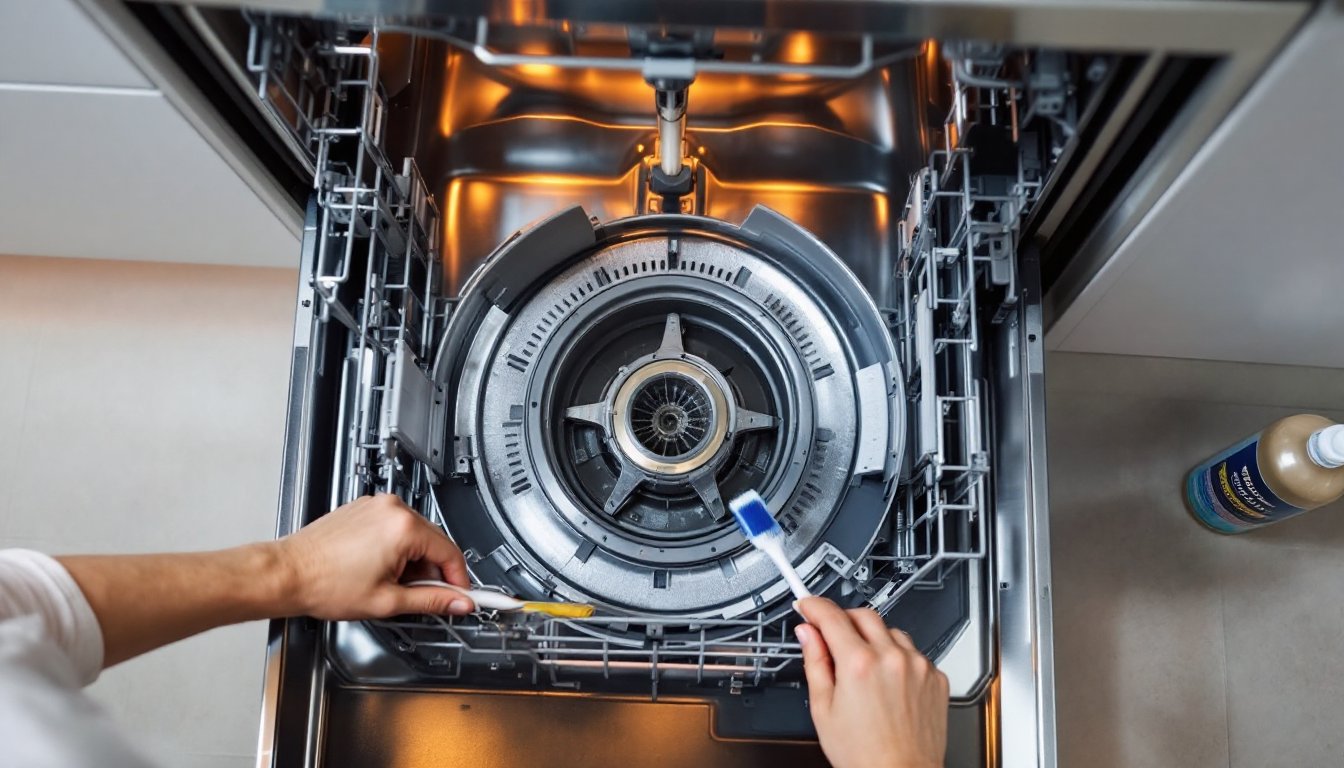
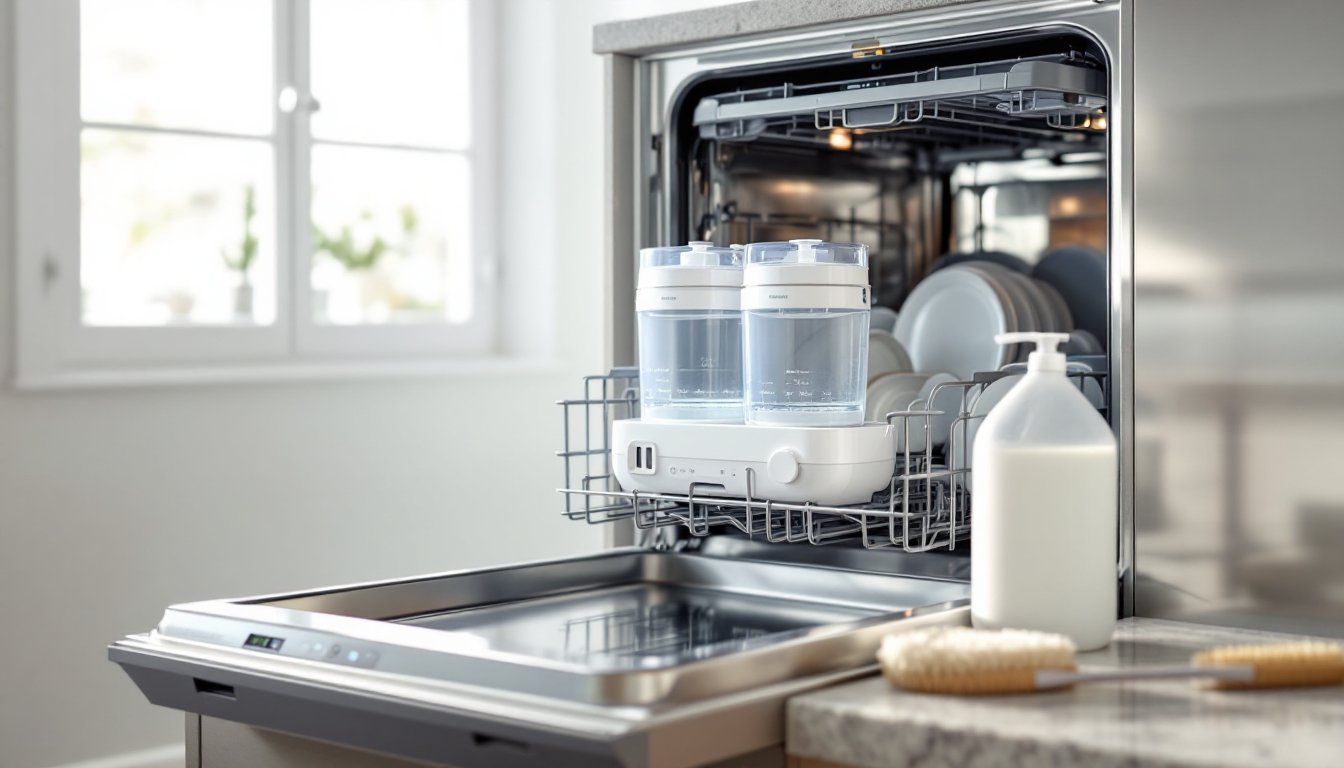
Daily checks involve reviewing the water level indicator and topping off as needed. Every 3 to 5 days (depending on humidity output and run duration), disassemble the humidifier. Remove the tank, lid, and misting nozzle, or whatever parts your manual marks as dishwasher safe. Rinse the base and internal basin by hand with a soft cloth to wipe away any mist residue, then load the plastic parts into the dishwasher’s top rack (heat-sensitive plastics shouldn’t face heating elements directly).
Weekly deep cleaning involves running the dishwasher as you normally would. After the cycle finishes, inspect the tank and nozzle under light. If mineral deposits remain (hard water buildup looks white and chalky), soak those parts in equal parts white vinegar and water for 30 minutes, then hand-scrub with a soft brush. Rinse thoroughly before reassembling.
Seasonal maintenance happens when you retire the humidifier for warmer months. Empty any remaining water, disassemble completely, and run all dishwasher-safe parts through a full cycle to ensure no bacteria or mold dormancy during storage. Store the unit in a dry place with all parts reassembled loosely (no sealed tanks) to allow air circulation.
Don’t forget the base. Even though the power base doesn’t go in the dishwasher, wipe it weekly with a damp cloth and let it air-dry completely before reassembly. Moisture around electrical connections creates hazards and shortens the unit’s lifespan.
A humidifier setup guide from Tom’s Guide often includes manufacturer specifications for your exact model, so reference that when you’re unsure about which parts are truly machine-safe versus hand-wash only. Following the manual is always the safest bet.
Conclusion
A dishwasher safe humidifier turns a necessary chore into a quick 2-minute task that actually gets done. By choosing a model with easily removable, truly dishwasher-compatible parts and following a simple maintenance routine, you’ll keep your humidifier running efficiently and extend its working life by years. Whether you opt for ultrasonic or evaporative, make dishwasher compatibility a non-negotiable feature, your hands and your schedule will thank you.