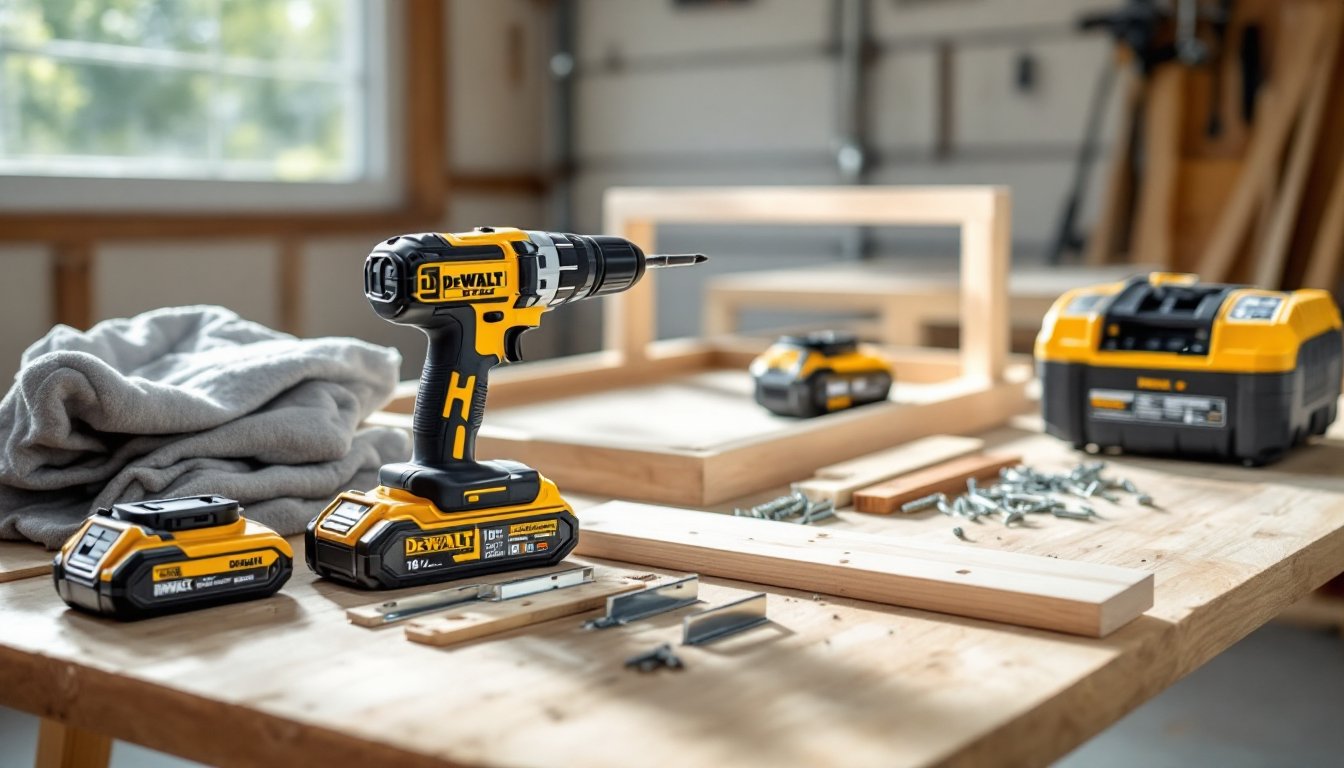

If you’re tackling crown molding, framing cuts, or crosscutting lumber for deck boards, a Delta miter saw deserves real estate on your workbench. Unlike circular saws or hand saws, miter saws handle angled and perpendicular cuts with precision and speed, essential for trim work, furniture building, and framing jobs. Whether you’re a weekend DIYer or someone looking to level up from basic hand tools, understanding what a Delta miter saw offers and how to use it safely will save you material, time, and frustration. This guide covers the key features, top models, safety essentials, and maintenance tips you need to make an informed choice and keep your saw running strong.
Table of Contents
ToggleKey Takeaways
- A Delta miter saw excels at making precise crosscuts and angled cuts for crown molding, deck work, and trim installation without the binding or tear-out issues of handheld circular saws.
- Precision and angle repeatability are critical to Delta miter saw performance—detents at 45° should hit consistently, and fences should maintain perpendicularity within 1/32 inch to minimize rework on trim projects.
- The Delta 10-inch sliding miter saw (Model 36-6000 series) is the versatile workhorse for most DIY projects, handling boards up to 12 inches wide and costing $300–$500.
- Essential safety practices include always using the fence for cuts, wearing ANSI-rated safety glasses and hearing protection, and never reaching under the blade while it spins.
- Regular blade inspection and monthly lubrication of the fence track extend tool life and maintain cutting accuracy—dull blades should be sharpened or replaced every 50–100 hours of use.
- Consistent maintenance and respecting safety protocols turn your Delta miter saw into a reliable long-term investment that saves time and material on trim-heavy and framing projects.
What Is a Delta Miter Saw and Why You Need One
A miter saw is a stationary power tool that uses a rotating blade to make precise crosscuts and angled cuts in lumber, trim, and composite materials. The blade sits mounted to a pivoting arm: you pull the handle down to lower the spinning blade through the workpiece, which is held against a fence. A Delta miter saw applies the company’s reputation for durability and ease of use to this category, crucial when you’re cutting dozens of pieces and need consistent, clean results.
Delta saws shine in three main areas. First, they deliver straight, square cuts without the binding or tear-out you get with handheld circular saws. Second, they rotate to handle miter cuts (angled crosscuts) up to 45–52°, making crown molding and angled trim work manageable without a helper. Third, they’re faster than a miter box and saw for repetitive cuts, especially on trim where accuracy and speed matter.
You don’t need a miter saw for every project. But if you’re framing walls, installing baseboard or crown molding, building deck railings, or assembling furniture, it cuts setup and rework time dramatically. Handheld saws work, but expect fatigue, uneven results, and higher material waste.
Key Features That Set Delta Miter Saws Apart
Precision Cutting and Angle Adjustments
Accuracy is where Delta saws earn their keep. The fence must be perfectly perpendicular to the blade: a warped or misaligned fence ruins every cut downstream. Most Delta miter saws feature a heavy aluminum or cast-iron fence with proven geometry. When you lock the head at 0° (square), your cuts should be dead-on within 1/32 inch, tight enough for trim butt joints where paint hides minor gaps but too loose at corner miters where light betrays sloppy work.
Angle repeatability matters just as much. A detent (positive stop) at 45° should hit 45° every single time without drift. Cheap saws require re-checking and resetting each angle: Delta’s robust detent mechanisms minimize this fiddling. If you’re cutting 20 pieces of crown at 31.6° for a cathedral ceiling, that precision compounds. Recent studies on professional tool use show that consistent angle control cuts rework time by up to 30% on trim-heavy projects.
Popular Delta Miter Saw Models for Home Projects
Delta doesn’t publish a huge lineup, but its miter saws span entry-level and mid-range budgets. Here’s a practical overview.
Delta 10-Inch Sliding Miter Saw (Model 36-6000 series)
This is the workhorse. A sliding mechanism pulls the blade toward you before cutting, allowing you to crosscut boards wider than a standard miter saw blade’s reach (up to 12 inches). The 15-amp motor handles hardwood and composites without stalling. It weighs around 90 pounds, heavy enough for stability, light enough to move between jobs. Cost typically runs $300–$500 depending on sales and whether you bundle with a blade.
Delta 10-Inch Single Bevel Miter Saw (Compact models)
If bench space is precious, Delta’s non-sliding 10-inch models occupy less footprint while maintaining accuracy. Single bevel (head tilts one direction) handles most trim and deck work. These run $200–$350 and pair well with small workshops or jobsite trucks.
12-Inch Models for Heavy Duty Work
Delta’s 12-inch options cut thicker stock and wider crosscuts in one pass. Useful for rough framing lumber (actual 2×10s and 2×12s) or hardwood flooring planks. These cost $400–$700 and are bulkier: reserve them for permanent shop setups or heavy-volume production.
When shopping, cross-reference independent reviews, online resources like This Old House’s miter saw recommendations and Popular Mechanics’ tool comparisons include Delta models alongside competitors, helping you spot durability patterns and real-world performance issues. Check blade quality too: Delta ships with adequate OEM blades, but upgrading to a premium combination or finish blade ($30–$50) improves cut quality on trim work.
Essential Safety Tips and Best Practices
Miter saws are fast, loud, and unforgiving. Respect the tool.
Pre-Cut Checklist
Before every session: measure twice, mark your cut line with a pencil, and dry-run the cut without power. Check that your workpiece sits flat against the fence and doesn’t rock. Knots, warps, or debris cause blade binding and kickback, material can launch toward you or into your hands faster than you can react.
Mandatory PPE and Workspace Setup
- Safety glasses (polycarbonate, ANSI Z87.1 rated) protect against flying chips.
- Dust mask or respirator (N95 minimum: better yet, a powered air-purifying respirator or PAPR for extended work) guards your lungs.
- Hearing protection (foam earplugs or earmuffs: miter saws run 80–90 decibels).
- Cut-resistant gloves (Kevlar or nitrile) when handling finished material, but remove them when operating the saw, gloves can catch on the blade.
- Steel-toed boots in case you drop something heavy.
Keep the work area clear of tripping hazards, dust buildup, and clutter. A clean shop is a safer shop.
Operational Safety
- Never reach under or across the blade while it’s spinning. Always wait for the blade to stop completely (15–20 seconds on most models).
- Use a clamp or vise to hold small pieces: never hold them by hand near the blade.
- Cut on the waste side of your mark, not the keeper side. One slip costs material and time.
- Never cut freehand. Always use the fence for crosscuts and the miter angle stops for angles.
- Let the blade reach full speed before pushing the workpiece into it.
- If the blade binds and the motor stalls, release the trigger immediately and investigate. Never force a stalled blade.
When connecting a dust collector, choose one rated for wood dust (fine sawdust clogs high-efficiency HEPA filters designed for shop-wide air filtration). A simple 2.5-inch-diameter shop vac hose works fine and keeps your breathing space clear.
Maintenance and Care for Long-Term Performance
Delta miter saws are built to last, but neglect accelerates wear and kills accuracy. Maintenance is straightforward.
Blade Care and Replacement
Inspect the blade before each session, missing teeth, visible cracks, or excessive resin buildup signal retirement. A dull blade doesn’t just slow you down: it forces you to push harder, which strains the motor and compromises safety. Sharpen or replace blades every 50–100 hours of use, depending on material hardness. Carbide-tipped blades (standard on quality saws) resist dulling better than older steel blades. Store blades in cases or hung on the wall, never stacked bare where they’re damaged or where you bump into them.
Cleaning and Lubrication
After each use, vacuum or blow out dust from the motor vents, fence track, and miter assembly. Built-up sawdust acts like insulation, trapping heat and shortening motor life. Once a month (or every 5–10 hours), wipe down the fence with a dry cloth and light machine oil, this prevents rust and keeps the fence gliding smoothly. Don’t over-oil: excess oil attracts dust and gums up the works.
Checking Accuracy and Alignment
Quarterly, verify that your 0° crosscut is truly square using a carpenter’s square or combination square against the fence and a test cut. If results drift (cuts no longer square or angles no longer hit detents), the fence may be bent or the head may need realignment, both are serviceable on most Delta models. Consult your manual for adjustment procedures or contact Delta support: some adjustments require loosening bolts and shimming, which is DIY-friendly if you’re careful.
For homeowners managing seasonal projects, Today’s Homeowner’s maintenance guides outline broader tool upkeep schedules that help you track when to service not just your miter saw but your full workshop arsenal. Consistent maintenance extends tool life, keeps cuts accurate, and reduces surprise failures mid-project.
Conclusion
A Delta miter saw pays for itself quickly if trim, framing, or crosscutting work lands on your docket regularly. Choose the right model (sliding 10-inch for versatility, or 12-inch for heavy stock), respect safety protocols, and maintain the blade and fence, you’ll get years of square, clean cuts and repeatable results. The time and material saved on any crown molding or deck project justify the investment. Start small, respect the tool, and your miter saw becomes the backbone of your home improvement shop.